Heavy-Duty Double-Sided Meat Tenderizer (Zinc Alloy)
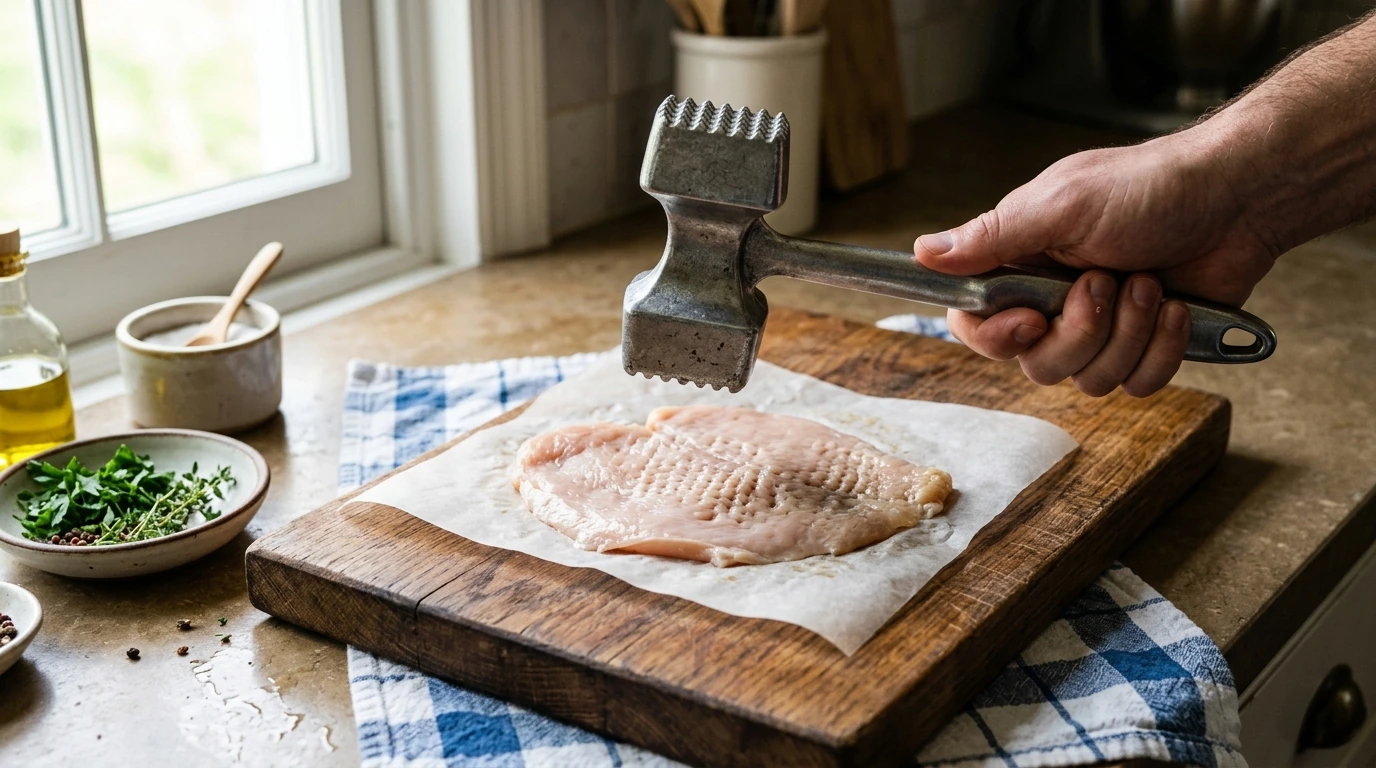
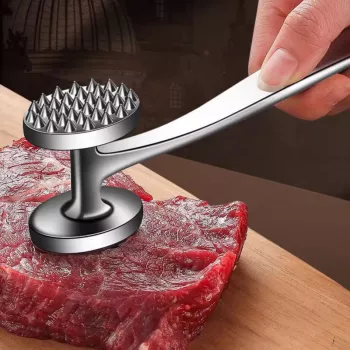
Double-Sided Zinc Alloy Meat Tenderizer Hammer: Faster Prep, Better Texture, More Even Cooking
A good tenderizer is one of those quiet kitchen tools that changes weeknight cooking. Our double-sided zinc alloy meat tenderizer hammer is built for consistent results: one side for breaking down tougher fibers, the other for more controlled flattening. You can use it to help marinades absorb, reduce cooking time, and get chicken, pork, and beef to cook more evenly—without turning dinner into a workout.
What a meat tenderizer actually improves (and what it doesn’t)
Used the right way, tenderizing is less about “smashing” and more about creating a better starting point for cooking.
- Tenderness: Repeated, controlled strikes help break down muscle fibers on tougher cuts, making bites feel less chewy.
- Even thickness: Flattening brings meat to a uniform thickness so edges don’t overcook while the center catches up.
- Faster, more predictable cook: Even thickness and a slightly loosened structure can reduce the guesswork on stovetop sears and pan-frying.
- Better marinade contact: Opening the surface slightly helps seasonings cling and marinades reach more of the meat’s exterior.
- What it doesn’t do: It won’t make overcooked meat juicy again, and it can’t replace proper safe cooking temperatures.
Common uses for each side of a double-sided tenderizer
| Side | Best for | Typical foods | Goal |
|---|---|---|---|
| Textured/tenderizing face | Breaking down tougher fibers with controlled strikes | Steak cuts that need help, pork chops, tougher chicken portions | Softer bite and improved chew |
| Flatter/smoothing face | Flattening and evening thickness without aggressive texturing | Chicken breasts, cutlets, schnitzel-style portions | Uniform thickness for even cooking |
Why zinc alloy and a heavy-duty build matter in daily cooking
When you’re tenderizing for a quick dinner (or prepping multiple portions at once), the tool’s weight and balance make a noticeable difference.
- Confident handling: A solid, heavy-duty tool helps deliver effective strikes with less effort.
- Consistent results: Weight and balance help you stay controlled, so you can tenderize without tearing meat into ragged edges.
- Kitchen-ready durability: Zinc alloy construction is designed for repeated use when prepping multiple portions.
- Versatility: Useful for weekday cutlets, batch meal-prep, and thicker pieces that benefit from flattening before cooking.
If you’re ready to upgrade a flimsy mallet (or stop improvising with a pan), our team recommends the Double-Sided Zinc Alloy Meat Tenderizer Hammer – Heavy Duty Kitchen Tool for straightforward, repeatable prep.
How to use it for better cutlets, stir-fry, and grill prep
- Start clean and stable: Place a damp towel under the cutting board to prevent slipping.
- Protect the surface: Use a resealable bag, parchment, or plastic wrap over the meat to reduce splatter and keep cleanup simple.
- Work from the center out: Flattening from the thickest area outward helps keep the shape even.
- Use controlled strikes: Let the weight of the hammer do the work—short, steady taps beat wild swings.
- Stop at even thickness: For pan-frying, aim for a consistent thickness across the piece rather than making it paper-thin.
- For stir-fry: Light tenderizing can help tougher strips cook tender faster; slice across the grain first, then gently tenderize if needed.
One practical habit that helps: once you’ve flattened to an even thickness, switch to cooking cues you can measure. USDA guidance emphasizes verifying doneness with a thermometer rather than guessing by color or time alone.
Safe, clean, and low-mess tenderizing habits
- Prevent cross-contamination: Keep raw meat tools separate and sanitize cutting boards, counters, and hands after prep.
- Contain splatter: A bag or wrap keeps raw juices from spreading to nearby surfaces and utensils.
- Clean promptly: Hand-wash with warm soapy water soon after use so residue doesn’t dry on the faces.
- Dry before storing: Thorough drying helps maintain the tool’s finish and keeps storage areas clean.
- Use the right surface: Avoid tenderizing directly on fragile plates or thin countertops; a sturdy board is safer and quieter.
For food-safety basics, the USDA’s guidance on safe minimum internal temperatures and Clean, Separate, Cook, Chill is a reliable reference for home kitchens.
Best cuts and quick meal ideas that benefit immediately
- Chicken cutlets: Flatten for faster, even sautéing; finish with lemon, herbs, or a light pan sauce.
- Pork chops: Even thickness helps prevent dry edges; ideal for quick sears and simple glazes.
- Steak for sandwiches: Gentle tenderizing plus slicing across the grain makes thinner steak portions easier to bite.
- Schnitzel-style dinners: Flatten, bread, and pan-fry for a crisp exterior and tender interior.
- Meal prep: Tenderize and portion proteins ahead of time for faster weeknight cooking—store separately and label.
If you like keeping prep and cooking tightly timed (especially when juggling sides), our team also keeps a simple wrist timer handy; the LED Flashlight Smart Watch with Bluetooth Calling & 100+ Sports Modes is an in-stock option that can help you stay on track while you cook.
Choosing the right tenderizing approach for your recipe
FAQ
Which side should be used first on a double-sided meat tenderizer hammer?
Match the side to your goal: use the textured side to break down tougher fibers, and the smoothing/flattening side to even thickness. For cutlets where thickness is the main issue, start with flattening; for tougher bites, use the textured side with controlled taps, then finish by evening the thickness.
How do you tenderize meat without making it mushy?
Use light, controlled strikes instead of heavy swings, and stop once the thickness is even and the surface loosens slightly. Avoid overworking thin or delicate cuts, and keep meat chilled so it stays firm while you work.
Is tenderizing meat enough to make it safe to eat?
No. Tenderizing improves texture and thickness, but safety depends on proper handling and cooking to safe internal temperatures using a food thermometer, plus preventing cross-contamination during prep.













Leave a comment