95oz Cordless Cat Fountain: Quiet, Battery-Powered
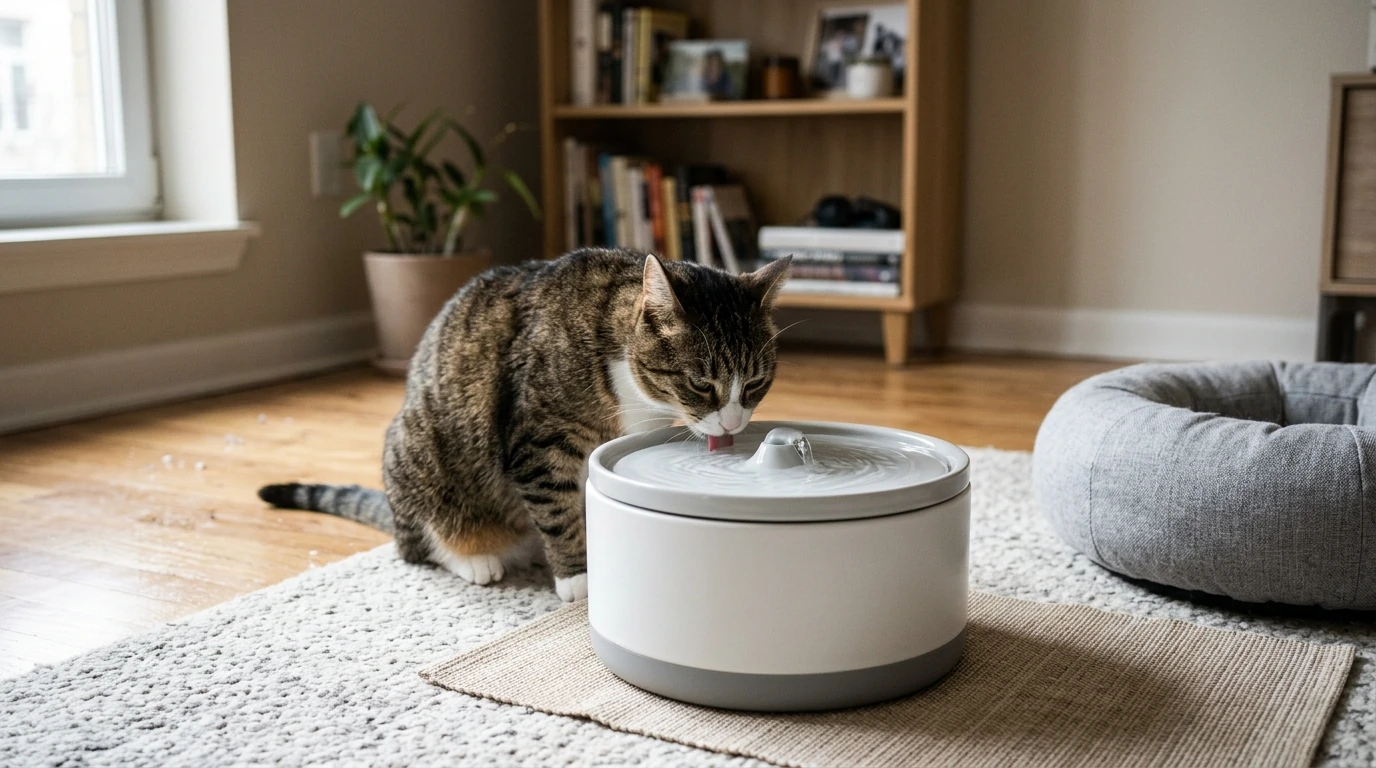
95oz Cordless Cat Water Fountain: Battery-Powered, Ultra-Quiet Hydration That Fits Anywhere
Cats tend to drink more consistently when fresh water is available in the spots they already love—and when it’s offered in a way that feels clean, calm, and inviting. A cordless, battery-powered fountain makes that easy: no searching for outlets, no cord clutter, and no loud motor sounds competing with a cat’s sensitive hearing. Our 95oz cordless cat water fountain is designed to keep water accessible, encourage better hydration habits, and stay simple to live with day to day.
What makes a cordless, battery-powered fountain different
When you cut the cord, you gain real flexibility in how you set up your cat’s water station. Instead of building your home around the nearest outlet, you can build the water routine around your cat’s habits.
- Place it where your cat actually drinks: next to a favorite nap spot, near food, or in a quiet corner—without being limited by outlet locations.
- Reduce tripping and chewing risks by removing cords from the floor, especially in busy households or curious-pet homes.
- Keep hydration available during routine changes (cleaning days, room rearranges) without re-routing cables.
- Helpful for short-term scenarios such as fostering, post-surgery recovery spaces, or setting up a calm “comfort room” for a new cat.
Why a fountain can encourage better hydration
Some cats simply prefer the “freshness cue” of circulating water. A fountain can also help you create a consistent water routine—especially when you place it in a low-stress spot and keep the water appealing.
- Many cats prefer moving water because it can feel fresher than a still bowl, especially if whisker fatigue or bowl depth has been an issue.
- Circulation helps water feel more “recent,” which can be appealing for picky drinkers.
- A dedicated water station can reduce the habit of seeking water in sinks or tubs.
- Consistency matters: putting the fountain in a stable, low-stress spot helps turn drinking into a routine rather than a once-a-day event.
For broader everyday feeding and care guidance, we like resources from the Cornell Feline Health Center and the American Veterinary Medical Association (AVMA).
Ultra-quiet operation for sensitive pets and quiet homes
Sound sensitivity is common in cats, and it’s also a quality-of-life issue for you—especially if the fountain lives near a desk, bedroom, or reading nook. A quieter fountain is easier to place where it’s most convenient, not just where it’s least annoying.
- Noise can be a dealbreaker: timid cats may avoid a water station if it hums, buzzes, or gurgles loudly.
- A quieter fountain is easier to place in bedrooms, home offices, and apartments where background sound matters.
- For multi-pet homes, lower noise helps reduce tension around shared resources—fewer surprises, less startle, smoother “taking turns.”
- If a pet has been hesitant with previous fountains, position the unit in a familiar area and let it run near daily routines to help with acceptance.
95oz capacity: what that means for daily life
A larger reservoir doesn’t replace good habits, but it can make them easier to maintain—especially on busy weeks when you’re juggling work, errands, and pet care.
- A 95oz reservoir supports fewer refills compared with small bowls, which is especially helpful on busy workdays.
- More water volume can help keep the station stable and reduces the chance of “empty bowl moments” if a cat drinks more than usual.
- Practical for one-cat households that want convenience and for multi-cat homes that need a shared water source that doesn’t feel scarce.
- Even with larger capacity, the best routine is still to check the water level daily—cats notice freshness as much as availability.
Placement tips that make cats more likely to use it
Placement is often the difference between a fountain that gets ignored and one that becomes part of your cat’s daily rhythm. Think in terms of safety, sightlines, and stress level.
Quick placement checklist
| Placement factor | Good choice | Avoid |
|---|---|---|
| Foot traffic | Quiet corner with clear view | Hallway choke points |
| Distance from litter | Different area/room if possible | Right beside the box |
| Floor surface | Level, easy-to-clean surface | Uneven carpet edges |
| Accessibility | Open approach from multiple angles | Tight spaces that trap whiskers |
Cleaning and upkeep: keeping water appealing
Who this 95oz cordless fountain fits best
Getting started: a simple first-week plan
Shop our in-stock picks
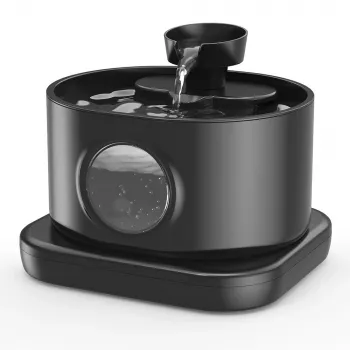
- 95oz Cordless Cat Water Fountain – Battery Powered & Ultra-Quiet Pet Feeder
- Wireless Earbuds TWS Bluetooth 5.3 – Low Latency, HiFi Sound, Waterproof
- LED Flashlight Smart Watch with Bluetooth Calling & 100+ Sports Modes
- Elegant Women’s Large Leather Tote Bag with Chain Strap
FAQ
Is a cordless, battery-powered cat water fountain safe to use around pets?
Yes, removing cords can reduce chewing and tripping risks, especially in active homes. Keep the unit on a level surface so it stays stable, and follow the charging and handling instructions so the power source is used as intended.
How often should a cat water fountain be cleaned?
Plan on frequent quick rinses and wipes to prevent residue, plus deeper cleanings on a regular schedule to keep surfaces and flow paths fresh. The right frequency depends on how many pets are using it and your local water conditions.
What if my cat won’t use the fountain at first?
Start by placing it near the old bowl, keep the water fresh, and give your cat a few days to adjust. If hesitation continues, try a quieter location, a slightly different distance from food, and a setup that minimizes startling noise during first introductions.













Leave a comment