30W Hot Glue Gun Kit: 20 Sticks for Crafts & Repairs
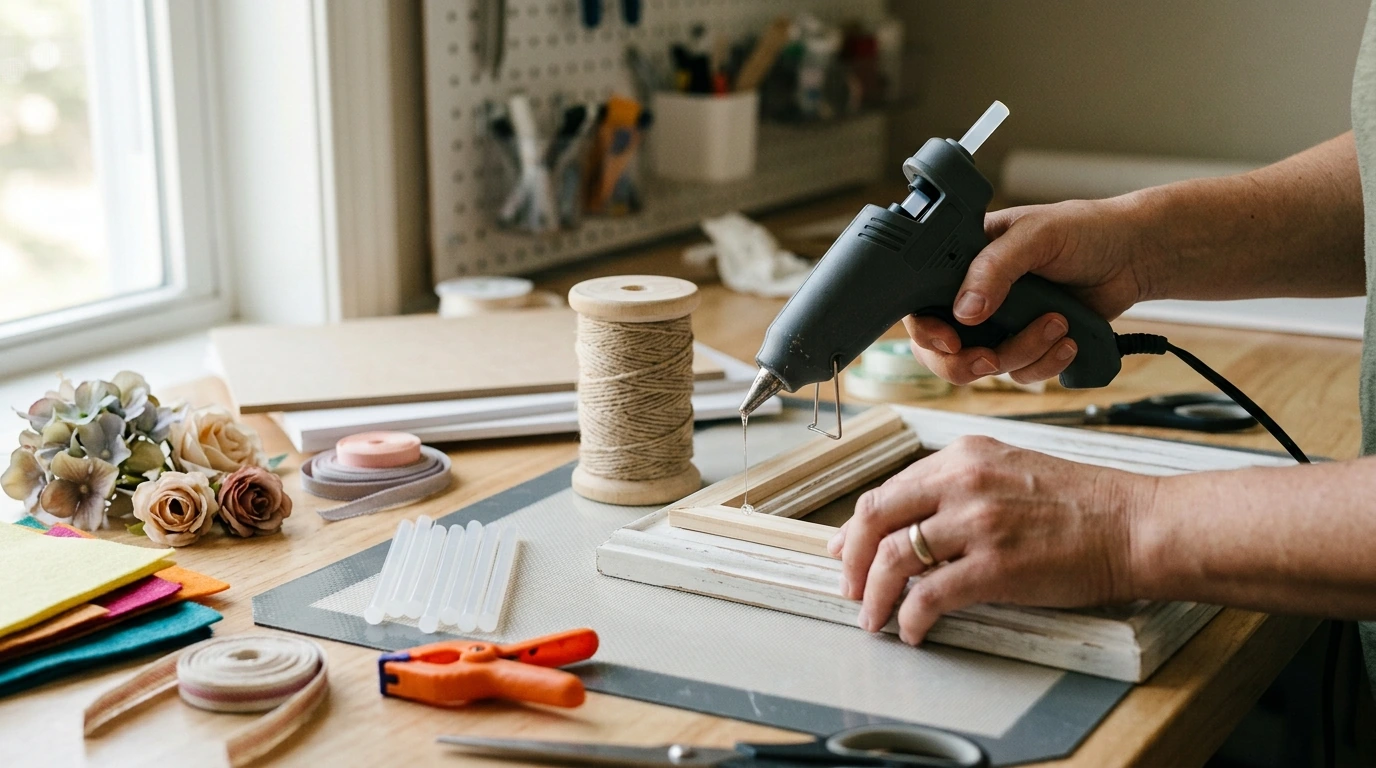
30W Hot Melt Glue Gun with 20 Glue Sticks for DIY Crafts & Quick Repairs
A hot melt glue gun is one of the quickest ways to bond, tack, seal, and stabilize materials during crafts and everyday fixes. This 30W hot melt glue gun kit includes 20 glue sticks, making it easy to start common projects right away—from décor touch-ups and school projects to small household repairs—while keeping setup simple and cleanup manageable.
If you want a straightforward kit to keep on hand for fast, clean-enough results, consider the 30W Hot Melt Glue Gun with 20 Glue Sticks for DIY Crafts & Quick Repairs.
What This Glue Gun Kit Includes
- 30W hot melt glue gun designed for general-purpose crafting and light-to-medium repair tasks
- 20 glue sticks included for immediate use (confirm stick size/diameter compatibility when replenishing)
- A practical option for keeping in a craft drawer, classroom supply bin, or home repair kit
- Best suited for quick bonds, positioning parts before fasteners, and filling small gaps
At-a-Glance: Kit Overview
| Item | What’s included | Why it matters |
|---|---|---|
| Hot melt glue gun | 30W unit | A common power level for versatile DIY use without stepping up to heavy-duty tools |
| Glue sticks | 20 sticks | Enough to begin multiple small projects or several quick fixes before restocking |
| Use case fit | Crafting + quick repairs | Helpful for bonding, tacking, edging, and stabilizing a variety of household materials |
Where Hot Melt Glue Works Best
- Craft materials: paperboard, felt, foam, fabric trims, artificial flowers, ribbon, and lightweight décor elements
- Wood and unfinished surfaces: quick tacking, trim positioning, and temporary holds during assembly
- Plastics: useful on many rigid plastics, but performance depends on plastic type and surface texture (test a small area first)
- Ceramics and glass: can hold lightweight items and provide temporary positioning, but may not replace structural adhesives for high-stress loads
- Gap-filling: hot glue can bridge small gaps and reduce rattles or vibrations in non-critical joints
Hot-melt adhesive works by being applied in a molten state and solidifying as it cools. For a quick overview of how it behaves across different materials, see hot-melt adhesive (overview).
Common Projects and Quick Repair Ideas
- Home: reattach loose trim details, stabilize wobbly décor, tack cables in place (avoid heat-sensitive insulation), and seal small openings for drafts in non-critical areas
- Crafting: wreath building, costume accents, DIY centerpieces, holiday ornaments, and foam-board models
- School and workshops: prototyping, creating mock-ups, quick assembly of display boards, and reinforcing corners
- Organization: attach labels, add non-slip dots, or secure lightweight hooks (verify wall surface and load limits)
- Upcycling: add embellishments to boxes, frames, and containers; tack fabric liners into baskets
For many of these, hot glue shines when you need a fast “third hand”: it can hold parts in place while you add a more permanent solution (screws, brads, stitching, or a different adhesive) if the joint will be stressed.
Getting Cleaner Bonds: Simple Technique Tips
- Prep first: dry-fit parts, clean dust/oils, and lightly roughen slick surfaces for better grip when appropriate
- Use the right amount: a thin bead often bonds better than a large blob, especially on flat surfaces
- Work in sections: apply glue, press parts together promptly, and hold steady until set to prevent shifting
- Reduce “strings”: lift the nozzle slightly at the end of a bead and rotate the gun tip to break the strand cleanly
- Clamp when needed: for heavier pieces, combine hot glue for positioning with clamps while adding a stronger adhesive or fastener if the joint will be stressed
A practical workflow for neat results is: test fit, wipe surfaces, run a controlled bead, press immediately, then leave it alone for a minute. Most messy bonds come from using too much glue or moving parts while the glue is still soft.
Safety and Care for Everyday Use
- Burn prevention: molten glue and the nozzle can cause burns—keep fingers clear and place the gun on a stable, heat-resistant surface when not in use
- Ventilation: use in a well-ventilated area, especially when gluing painted or unknown materials
- Mind the materials: avoid bonding surfaces that will reach high temperatures (near ovens/heaters) where hot glue can soften
- Cord and workspace control: keep cords away from edges to prevent accidental pulls and tip-overs
- Storage: allow the gun to cool completely before storing; keep glue sticks sealed and clean to reduce debris feed issues
For general burn-prevention guidance around the home (especially for quick-contact heat sources), review the CPSC burns and scalds safety recommendations.
Troubleshooting: Drips, Poor Adhesion, and Feed Issues
When to Choose a Different Adhesive
More In-Stock Picks
- Wireless Earbuds TWS Bluetooth 5.3 – Low Latency, HiFi Sound, Waterproof
- Elegant Women’s Large Leather Tote Bag with Chain Strap
- LED Flashlight Smart Watch with Bluetooth Calling & 100+ Sports Modes
FAQ
What materials can a hot melt glue gun bond reliably?
Hot glue commonly bonds well to porous and craft-friendly materials like paperboard, felt, foam, fabric trims, and unfinished wood. Results can vary on plastics, so it’s best to clean the surface and test a small spot first to confirm grip and finish compatibility.
How can glue strings and drips be reduced during crafting?
Use smaller beads, keep a steady pull-away motion, and rotate the nozzle slightly at the end of a line to “snap” the strand. Working over a mat and avoiding long idle heating time also helps reduce drips and stringing.
Is hot glue strong enough for household repairs?
It’s great for quick fixes, light-duty bonding, and temporarily positioning parts, especially indoors. For load-bearing repairs, high-heat areas, or outdoor exposure, a stronger adhesive or mechanical fastener is usually a better long-term choice.















Leave a comment