Ultra-Compact 4500mAh USB-C Power Bank for Fast Top-Ups
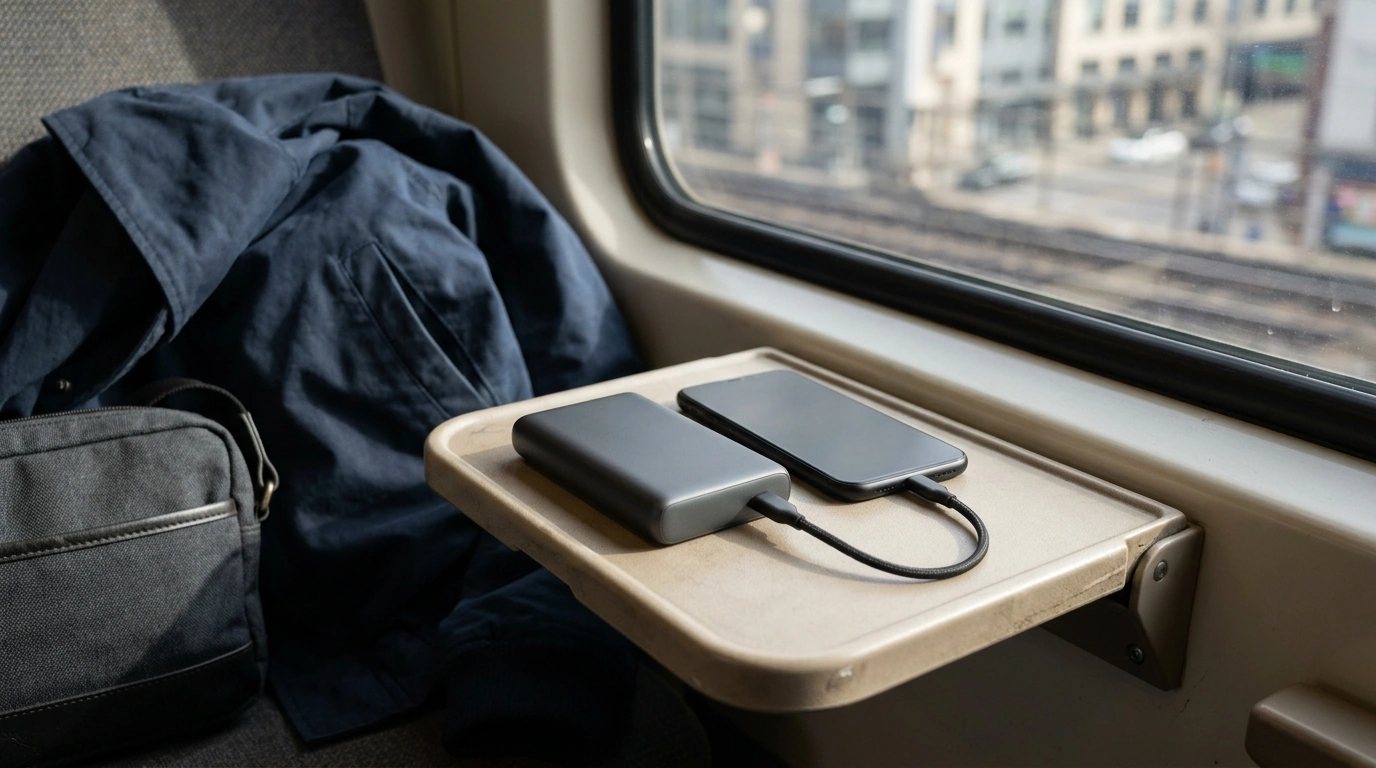
Ultra-Compact Backup Power That Actually Gets Carried
A pocket-size power bank can be the difference between a dead phone and a finished commute, flight, or day out. The Ultra-Compact 4500mAh USB‑C Fast Charging Power Bank is built for quick top-ups on iPhone and Android without the bulk of full-size battery packs—ideal for travel, events, and everyday “just in case” power.
If a 10,000mAh+ battery feels like overkill for your routine, a smaller USB‑C power bank is a practical middle ground: light enough to keep on you, strong enough to get your phone back to a usable level when you need maps, rideshare apps, calls, or boarding passes.
What This Ultra-Compact Power Bank Is Best For
This style of mini power bank shines in situations where convenience matters more than maximum capacity.
- Quick emergency top-ups when battery dips low during commutes, school, or work
- Light travel days where a full-size battery pack feels excessive
- Keeping a small backup in a bag, clutch, or jacket pocket for daily carry
- Charging either iPhone or Android with a modern USB‑C connection (and compatible cable)
For a simple, everyday setup, pair a compact power bank with a short, high-quality cable and a small wall charger at home or in the office. The result is less clutter and fewer “I forgot my charger” moments.
Size, Capacity, and What 4500mAh Means in Real Use
“4500mAh” is a compact capacity intended for partial recharges and quick boosts rather than multiple full charges. It’s the right choice when you want portability first and you’re okay with topping up once (or giving yourself a strong boost) instead of refilling a phone several times.
It’s also important to know that real-world delivered power is lower than the printed battery rating. Energy is lost during voltage conversion, heat, and the phone’s charging overhead. That’s normal for all power banks—especially small ones designed to be carried everywhere.
Most users can expect a meaningful top-up for a modern smartphone—often enough to get through the rest of the day, depending on phone battery size, age, and how you use it. A good habit is to use a small power bank to maintain battery between about 20%–80% during long days, keeping your phone responsive and reducing downtime.
| Scenario | What to expect | Notes |
|---|---|---|
| Emergency boost | A fast top-up to restore usability | Great for maps, calls, and messages |
| Partial recharge | A noticeable increase rather than multiple full charges | Varies by phone battery size and health |
| High-drain day | Extra hours for streaming, camera use, or hotspot | High power draw reduces total gains |
USB‑C Fast Charging: Compatibility and Charging Speed Basics
USB‑C is popular for a reason: the connector is reversible, widely supported, and designed to work with modern charging standards. With compatible devices and cables, USB‑C also enables fast charging negotiations that can deliver higher power than older USB charging setups.
Charging speed depends on three things working together: the phone, the cable, and the power bank’s output profile. Some phones will charge quickly only when they detect a supported fast-charging standard and a capable cable.
- For iPhone: Charging works through a compatible cable (USB‑C to Lightning for Lightning iPhones, or USB‑C to USB‑C for iPhone 15 and newer).
- For Android: Most recent phones charge via USB‑C; fast charging may require a certified cable and device support.
- To maximize speed: Avoid ultra-long cables, use quality cables, and keep the phone cool while charging.
For a deeper look at how USB‑C charging standards are designed to work, the USB-IF provides a helpful overview of USB Power Delivery here: USB Type-C and USB Power Delivery overview (USB-IF).
Everyday Carry Advantages: Why Ultra-Compact Matters
Big power banks are great for long trips, but they often stay behind on regular days. Ultra-compact models are easier to pack than 10,000mAh+ batteries—less weight, less bulk, and less “do I really want to bring that?” hesitation.
If you like a compact tech carry, consider pairing your power setup with pocket-friendly accessories, like Wireless Earbuds TWS Bluetooth 5.3 – Low Latency, HiFi Sound, Waterproof for commuting or a LED Flashlight Smart Watch with Bluetooth Calling & 100+ Sports Modes for days when notifications and calls need to stay accessible without constantly unlocking your phone.
Charging Safety and Battery Care
For official guidance on traveling with lithium batteries and power banks, review the FAA’s current information: Lithium batteries and devices in baggage (FAA).
Product Snapshot
When you want a truly portable backup, the Ultra-Compact 4500mAh USB‑C Fast Charging Power Bank for iPhone & Android focuses on the essentials: a small footprint, modern USB‑C convenience, and the ability to rescue your day with a fast, practical top-up.
| Detail | Value |
|---|---|
| Product | Ultra-Compact 4500mAh USB‑C Fast Charging Power Bank for iPhone & Android |
| Capacity | 4500mAh |
| Connection | USB‑C |
| Use case | Compact emergency top-ups and daily carry |
FAQ
Will a 4500mAh power bank fully charge an iPhone or Android phone?
It depends on your phone’s battery size and normal conversion losses during charging. Many users should expect a partial to near-full charge for smaller batteries and a solid, very usable boost for larger phones rather than multiple full recharges.
Does USB‑C fast charging work with older iPhones?
Yes, older Lightning iPhones can charge from USB‑C with a USB‑C to Lightning cable. The actual charging speed depends on the iPhone model and what charging standards it supports.
Can this power bank be taken on an airplane?
Power banks are generally allowed in carry-on luggage and are commonly restricted in checked bags. Always confirm the current rules with your airline and follow local regulations for lithium battery devices.














Leave a comment