T700 Carbon Flat Pedals: 3 Bearings, More Grip
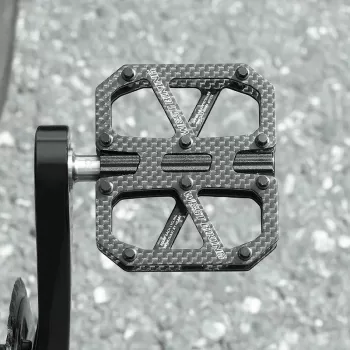
Ultralight T700 Carbon Fiber Bike Pedals with 3 Bearings: Grip, Spin, and Everyday Durability
A solid flat pedal should do three things well: keep your foot planted, spin smoothly without drama, and stay light enough that it doesn’t dull the bike’s quick feel. These ultralight T700 carbon fiber platform pedals combine a wide, anti-slip surface with a 3-bearing layout designed to keep rotation consistent for MTB, gravel, commuting, and casual road riding—especially if you prefer flat shoes and the freedom to reposition your feet.
What Makes These Pedals Different
Flat pedals can look similar at a glance, but the ride feel usually comes down to body stiffness, platform shape, and how well the internals handle real-world loads. This model leans into performance without turning into a “race-only” part.
- T700 carbon fiber body: built for low weight while still feeling rigid underfoot, so the platform doesn’t feel vague when you stand and sprint.
- Three-bearing design: intended to distribute load and maintain smoother rotation under hard pedaling and repeated impacts, helping reduce play over time.
- Anti-slip traction: pins/texture help keep shoes from skating around, especially when conditions get wet or dusty.
- Platform-style freedom: quick foot release and easy repositioning—helpful on technical trails or stop-and-go city streets.
- Versatile use: a practical match for MTB, mixed-surface gravel rides, fitness loops, and commuting.
Fit and Compatibility Checklist
Before buying any pedals, it’s worth doing a quick compatibility pass—most issues come from thread standards or installation mistakes rather than the pedal itself.
- Thread standard: most adult bikes use 9/16″ pedal threads. Confirm your crank’s thread size before ordering.
- Left vs. right installation: the left pedal is reverse-threaded on most bikes, so it tightens counterclockwise.
- Shoe pairing: skate-style shoes, MTB flat-pedal shoes, and stiff-soled trainers all work; stiffer soles typically reduce foot fatigue on longer rides.
- Best for frequent dabs: ideal if you put a foot down often on technical terrain or want instant release in traffic.
- Clearance check: confirm crank and chainstay clearance if your bike has unusual crank shapes or a very narrow Q-factor.
For a step-by-step guide to safe install and removal, see Park Tool’s pedal installation instructions and Sheldon Brown’s detailed notes on pedal threads and standards.
On-Trail Feel: Grip, Stability, and Control
A wider platform changes how the bike feels immediately, especially if you’re upgrading from basic resin pedals. Instead of concentrating pressure in a small spot, the platform supports more of your shoe—often translating to better control and less “foot chatter” on rough ground.
- Stability through support: a wide platform helps spread pressure across the sole for calmer cornering and more confident descents.
- Grip where it matters: anti-slip features stand out most during sudden braking, rooty sections, and washboard chatter where feet tend to drift.
- “Locked-in but adjustable” feel: traction holds your stance without making micro-adjustments impossible—useful when you want to shift weight mid-corner.
- Noticeable upgrade from entry pedals: riders coming from low-cost composites often feel a clearer connection to the bike and less bounce on repeated hits.
Bearing Design: Smoothness Today and Serviceability Later
Bearings aren’t just about silky spinning in your hand—they’re about staying smooth when you’re mashing uphill, landing a small drop, or grinding through a wet commute. A multi-bearing layout can help distribute forces that typically accelerate wear.
- Load distribution: multiple bearings can support the axle more evenly, which helps the pedal keep its smooth feel under heavier loads.
- When to check the bearings: side-to-side play, a gritty rotation, persistent squeaks after cleaning, or rough spinning by hand are common warning signs.
- Simple care routine: wipe down after wet rides, avoid blasting seals with a pressure washer, and periodically check the crank interface for looseness.
- Long-term mindset: if the pedal supports rebuilds, fresh grease and clean seals do more for lifespan than almost anything else.
Carbon Fiber Pedal Bodies: Practical Pros and Watch-Outs
Quick Comparison: What to Expect from Common Pedal Types
| Pedal type | Best for | Key strengths | Potential downsides |
|---|---|---|---|
| Carbon fiber flat (platform) | Trail, commuting, mixed riding | Lightweight feel, stable platform, strong grip | Can show impact wear; traction pins may need periodic checks |
| Aluminum flat (platform) | Aggressive MTB, bike parks | Very durable against strikes, easy service | Often heavier; can feel harsher on long rides |
| Composite/resin flat | Budget builds, casual riding | Affordable, decent grip, quiet | Less rigid; bearings and pins may be lower grade |
| Clipless (SPD/road) | Training, racing, long-distance efficiency | Secure foot retention, consistent pedaling | Learning curve; less convenient for frequent stops |
Setup Tips for Best Performance
Product Picks (In Stock)
- Ultralight T700 Carbon Fiber Bike Pedals 3-Bearing Anti-Slip MTB Road
- LED Flashlight Smart Watch with Bluetooth Calling & 100+ Sports Modes
- Wireless Earbuds TWS Bluetooth 5.3 – Low Latency, HiFi Sound, Waterproof
Product Snapshot: Ultralight T700 Carbon Fiber Bike Pedals (3-Bearing, Anti-Slip)
FAQ
Are these pedals compatible with most bikes?
Most adult bikes use 9/16″ pedal threads, which is the most common standard. Verify your crank thread size before purchasing, and remember the left pedal is typically reverse-threaded during installation.
Do carbon fiber pedals hold up for trail riding?
They can hold up well for typical trail riding, especially for mixed terrain and everyday MTB use. Avoid repeated hard rock strikes when possible, and inspect occasionally for cracks or deep gouges after impacts.
How often should pedal bearings be serviced?
In dry conditions, a check every few months is often enough, while wet or muddy riding may require more frequent attention. Service is due if you notice play, grinding, persistent squeaks, or rough spinning—also avoid pressure-washing directly at the seals.















Leave a comment