MTB Bicycle Mudguard Set: Fit and Splash Guide
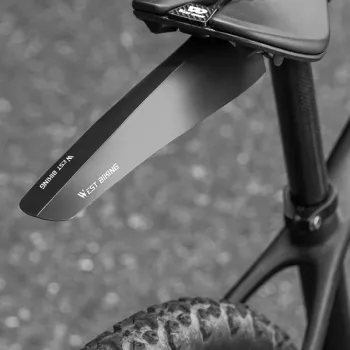
A damp road or dusty trail can leave more on your bike and clothing than you expected. Our MTB Bicycle Mudguard Set offers a portable splash-guard option for road and mountain bike rides. Whether it belongs in your routine depends on the conditions you ride through and, first of all, whether you can fit it securely to your bike. For more guidance, see MILISTEN Full-Coverage Bike Mudguard Set – 26-Inch Front ….
Where a Mudguard Set Earns Its Place
Think about the last time you rode on pavement that was still wet after the rain stopped. Even without falling rain, your tires can throw water toward your clothing and bike. Loose dirt on a trail and puddles along a commute create similar problems. Mudguards sit in the path of some of that spray and debris, making them worth considering when your route does not stay clean and dry. For further reading, see Mucky Nutz Face Fender – Ultra-Light 30g Mountain Bike ….
They are not a promise that you will finish a ride spotless. Deep puddles, heavy rain, thick mud, wind, and the direction of your tire spray all affect the result. A guard that helps on damp pavement may leave plenty of mess to clean up after a muddy trail ride. If you are deciding whether to use a set, aim for reduced splash rather than complete protection.
This set is presented as a portable option for road and mountain bikes, but those broad bike categories do not establish a fit for every frame, fork, or tire. We would start with your own bike’s available space and mounting positions, not with the category name alone. For a broader explanation of how fenders work and why coverage varies, see Sheldon Brown’s guide to fenders.
Check the Fit Before Your First Ride
Before attaching either guard, look closely at the area around both tires. Identify a position where each guard can sit securely without touching a rotating tire. Check the gap through the area the guard would cover, not just at one convenient point. Tire width and the space around your frame or fork can limit your options, while racks, lights, cables, and other accessories may occupy a potential mounting area.
Follow the instructions supplied with the set rather than assuming that a mounting method used on another bike will work on yours. Once installed, make sure each guard is secure and cannot shift into the tire. Spin both wheels by hand and watch and listen for contact. If anything rubs, moves into the wheel’s path, or interferes with another component, correct the fit before riding.
| Check | What to look for | Why it matters |
|---|---|---|
| Tire clearance | Space between each guard and the rotating tire | Helps prevent rubbing |
| Mounting position | A secure location that suits your bike | Helps keep the guards in place |
| Other accessories | No interference with racks, lights, or cables | Keeps other equipment working as intended |
| Wheel rotation | Both wheels spin freely | Catches contact before the ride |
Take a short initial ride somewhere you can stop safely, then inspect the guards again. Road vibration and bumps can expose a loose attachment that was not obvious while the bike was stationary. Make that second check especially important if your route includes rough ground.
Make Splash Protection Part of Your Ride Routine
A portable set is most useful when you make a deliberate decision about when to fit it. Look at the forecast, but also consider what happened earlier: a trail may remain muddy after skies clear, and shaded pavement may stay wet longer than an open road. If your route is likely to include puddles or loose grit, allow time to fit the guards and complete the wheel-clearance check before you leave.
Give the bike a brief inspection before each ride with the guards attached. Look for loose attachments, trapped mud or stones, and any edge that has moved close to a tire. Check that cables and other accessories still have room to function normally. This quick look is particularly useful after transporting the bike or storing it where a guard could be bumped.
Remember that speed, wind, and the surface under your tires can change where spray lands. Wear clothing that suits the weather even when the guards are fitted. If you use a watch to keep track of ride time, our LED Flashlight Smart Watch is another in-stock option to consider; stop in a safe place before adjusting it rather than taking your attention from the route.
Clean, Check, and Store
After a messy ride, remove accumulated mud and grit from the guards. Debris left in place can make a later inspection harder and may end up close to a tire when you fit the set again. While cleaning, look for damage and check whether any attachment has loosened. Do not start the next ride with a guard that will not stay secure or maintain tire clearance.
Let the guards dry before putting them away, and keep any included mounting pieces together so they are ready when conditions change. A simple clean-and-check routine makes the next installation less rushed. When you want a portable way to help manage road spray and trail debris, view our MTB Bicycle Mudguard Set and compare its fit with the space available on your bike.
FAQ
Will this mudguard set fit any road or mountain bike?
No universal fit is established. Check tire clearance, suitable mounting positions, and nearby accessories on your particular bike before fitting the guards.
Will mudguards keep me completely dry?
No. They can help reduce spray, but heavy rain, deep puddles, mud, and wind can still leave you wet or dirty.
What should I check after installing the guards?
Confirm that both guards are secure, both wheels spin without rubbing, and no cables or accessories are obstructed. Recheck the fit after a short ride.















Leave a comment