Long-Wear Makeup Prep Checklist for All-Day Looks
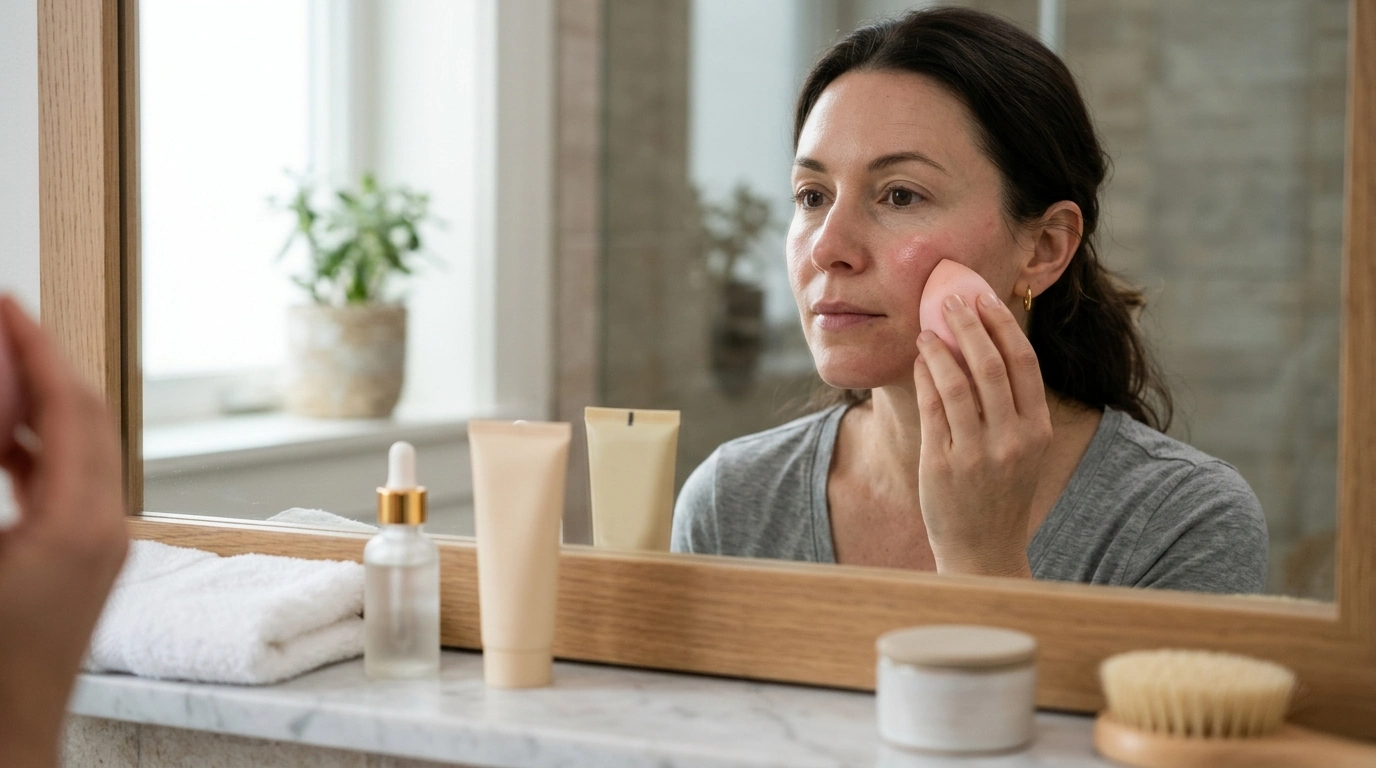
Makeup that needs to last through a full day starts with a routine that lets each layer sit comfortably on your skin. Our long-wear makeup prep checklist moves from cleansing and moisture to daytime protection, optional primer, application, and a final check. You do not need every possible product. Choose the steps that suit your skin, your plans, and the time you have. For more guidance, see How to Heat-proof Your Makeup This Summer.
Start with clean, comfortable skin
Gently cleanse away overnight skincare, oil, or residue, then pat your face dry instead of rubbing it. If you have an important event, this is not the moment to try a new exfoliant or an unfamiliar treatment. Prep works best when it supports the skin you have today; it cannot erase texture in a single morning. For further reading, see On-Camera Grooming Checklist: What to Wear & Basic Makeup ….
Next, apply a moisturizer that feels comfortable. You might use a little more on areas that feel dry and a lighter layer where you tend to get oily. Give it time to settle before reaching for the next product. If your skin still feels tight, address that before applying foundation; if it feels slippery, you may have used more than you need. The goal is a comfortable starting point, not a thick coating you have to work around.
For a simple approach to routine-building, the American Academy of Dermatology Association’s skin care guidance is a useful reference.
Put daytime protection in the right place
For a daytime look, apply sunscreen according to its label before makeup. Let it set rather than blending foundation into a still-wet layer. Makeup alone should not be your sun-protection plan, even if a complexion product lists SPF.
Think past the first application, too. If you will spend extended time outdoors, plan how you will reapply sunscreen as directed while wearing makeup. That may affect which products you choose and what you carry. The American Academy of Dermatology Association’s sunscreen FAQs offer further guidance on using sunscreen.
Choose prep steps for the day ahead
Primer is optional. If you use one, give it a job: perhaps helping makeup feel more comfortable over a dry patch or addressing shine in a particular area. You can apply it only where you want it rather than automatically covering your whole face. Try unfamiliar combinations on an ordinary day first, so you know how your skincare, sunscreen, primer, and makeup sit together.
Use this guide to choose a response to what you notice—not as a list of products to layer all at once. Start with the simplest comfortable option, then check your skin before moving on. A thin base is often easier to maintain during a long day than several heavy layers.
| If you notice… | Try before makeup | Check before the next step |
|---|---|---|
| Dry or tight-feeling areas | A comfortable layer of moisturizer | Skin no longer feels tight |
| Shine in certain areas | Lighter layers there; optional targeted primer | Products are not slipping or pilling |
| Makeup collecting around texture | Gentle application and thinner makeup layers | The base looks even without repeated rubbing |
| A long outdoor day | Sunscreen and a reapplication plan | You can follow the sunscreen label throughout the day |
Apply makeup in layers you can check
Begin with a small amount of complexion product and build coverage only where you want it. Pause between layers so you can see what has settled before adding more, especially around the nose, mouth, and under the eyes. Pressing or blending gently may be enough; repeated rubbing can disturb the base you just prepared.
If you use powder, apply it selectively where makeup tends to move rather than treating your whole face the same way. A setting product can also be part of your routine when used according to its directions, but it is not a guarantee that makeup will look unchanged all day. Leave yourself time for a quick check after application so you can remove excess product instead of adding another layer to fix it.
Do a final wear check
Before you leave, look at your makeup in lighting similar to what you expect during the day, if possible. Check the edges of your foundation, areas where product has gathered in creases, and any spot that feels uncomfortable. Make small adjustments while you can still tell which layer needs attention.
Pack the touch-up items you are actually likely to use. If shine is your main concern, blotting before adding powder may help you avoid piling product on top of oil. If you will be outdoors, make room for your sunscreen reapplication plan. The right touch-up kit is the one you can use without carrying your entire routine.
Keep your routine easy to repeat
Our Long-Wear Makeup Prep Checklist is a dedicated planning aid for keeping your chosen prep steps together. If you are organizing a longer day out, an elegant large tote bag can also give your planned touch-ups a place to go. Explore our checklist when you are ready to make your routine easier to follow.
FAQ
How long should I wait between skincare and makeup?
There is no single interval that suits every product. Follow product directions and wait until each layer feels settled rather than wet or slippery before applying the next.
Do I need primer for long-wear makeup?
No. Comfortable skincare, suitable sunscreen for daytime, and thin makeup layers are a useful starting point. Add primer if it helps with a specific concern.
Can setting spray replace sunscreen reapplication?
No. Setting spray is not a substitute for sunscreen. Follow the sunscreen label for reapplication, particularly when spending time outdoors.















Leave a comment