Kids Bookshelf with Reading Nook & Toy Storage Setup
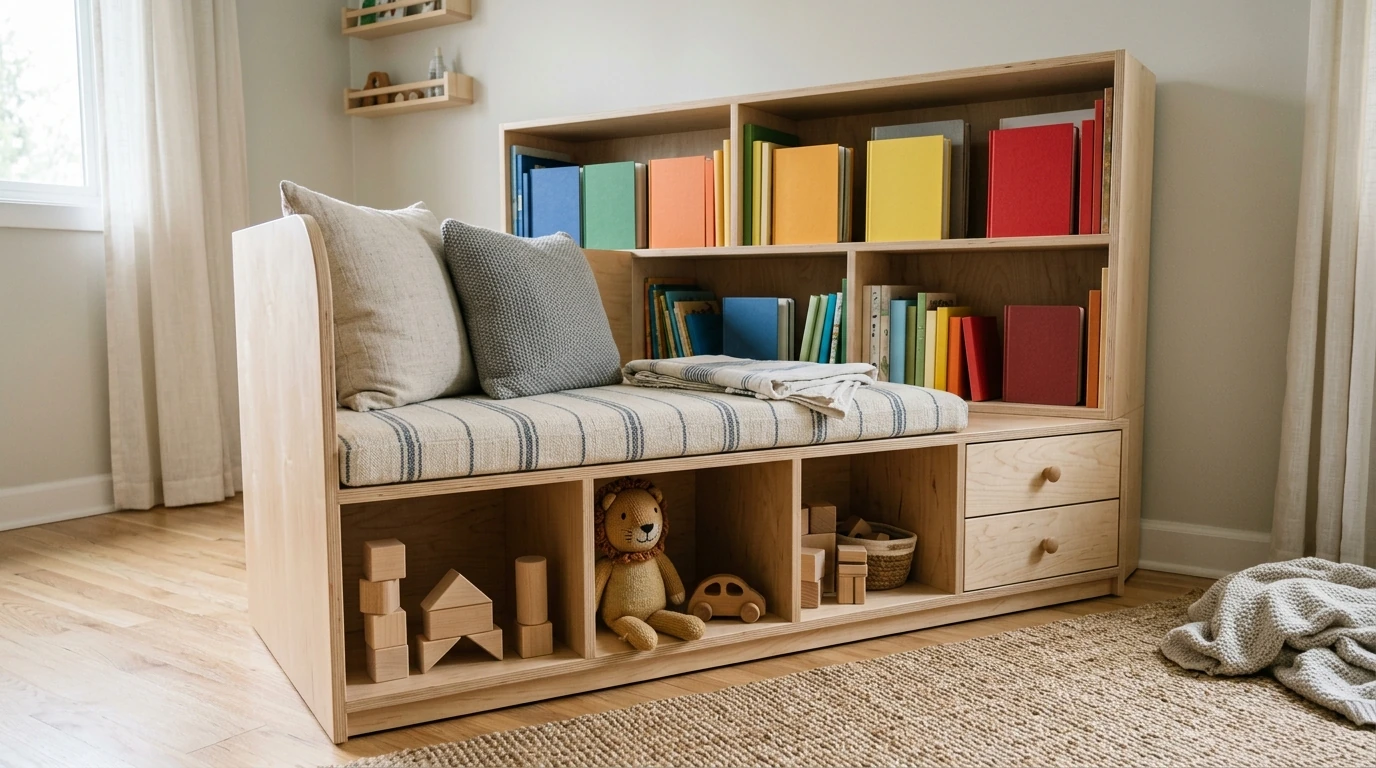
Kids Bookshelf with Reading Nook and Toy Storage: a calm corner for books, play, and easy cleanups
A kids’ room works best when it supports two everyday rhythms: winding down with a story and jumping into imaginative play. Our kids bookshelf with reading nook and toy storage brings those moments together in one organized piece—book display up top, a cozy reading spot in the middle, and drawers plus cubbies below to keep toys and supplies in their place. If you’re trying to reduce floor clutter without giving up the “fun stuff,” this kind of all-in-one station helps you keep the room feeling calm and kid-ready.
Why a bookshelf with a reading nook changes the whole room
- It creates a dedicated “quiet zone” that makes reading feel like a treat, not a task.
- It keeps books visible and reachable, helping your child choose stories on their own.
- It pairs well with bedtime routines: pick a book, settle into the nook, then reset the space in minutes.
- It reduces clutter by replacing multiple small storage pieces with one intentional station.
What we love about this setup is the built-in boundary it creates. When the reading nook is part of the furniture (not a pile of pillows that migrates across the room), kids learn that this is where stories happen—and that makes it easier for you to guide transitions from play to rest.
Built-in storage that actually works: drawers, cubbies, and display space
Storage only helps if it matches how kids use their things. Open zones support fast “grab and go,” while drawers take care of the stuff that looks messy even when it’s put away.
- Open book storage encourages browsing—covers facing out and spines easy to spot.
- Cubbies make “drop zones” for blocks, trucks, dolls, puzzles, or craft bins.
- Drawers hide the visual noise: mixed pieces, art supplies, and all the tiny parts that never stay sorted.
- A simple rule helps: daily-use items in cubbies, occasional items in drawers, favorite reads at eye level.
Simple storage map for a smoother cleanup
| Zone | Best for | Quick reset tip |
|---|---|---|
| Top/upper shelves | Picture books, early readers, bedtime favorites | Rotate 8–12 books weekly to keep interest high |
| Reading nook area | A cushion, a small blanket, a plush reading buddy | Keep it light—leave room to sit comfortably |
| Open cubbies | Toys that get used daily, small bins, puzzles | Label bins with words or icons for independent cleanup |
| Drawers | Art supplies, LEGO pieces, extra parts, keepsakes | Sort by type; use small organizers to prevent mixing |
How to set up the reading nook for real-life use
- Add a cushion or thin pad that fits the nook and is easy to pull out for cleaning.
- Use a small reading light nearby (wall-mounted or placed safely out of reach) for evening stories.
- Keep a “right now” basket: 3–5 books kids can grab without restacking the entire shelf.
- Choose a calm corner away from high-traffic play zones to help kids settle in.
Our team’s go-to trick is the “two-minute reset”: before bedtime (or before you leave the room), put only the floor items away—bin, cubby, or drawer. You don’t need a perfect sort every day. The point is to keep the nook inviting so reading feels easy to start.
Room-by-room ideas: bedroom, playroom, or shared family space
- Bedroom: make it part of a bedtime routine—book pick, nook time, then tuck-away toys into drawers.
- Playroom: use cubbies for themed play (kitchen set, building, dress-up) and rotate bins seasonally.
- Living room corner: keeps kids’ books and toys contained without taking over the whole space.
- Shared siblings: assign each child a cubby and one drawer to reduce mix-ups.
Everyday safety and placement essentials for kids’ furniture
Furniture tip-over prevention matters in any kid space. The U.S. Consumer Product Safety Commission shares practical guidance for reducing tip-over risks, including anchoring and smart placement: CPSC Furniture Tip-Over Information.
Who this bookshelf is great for (and when it’s the right fit)
Building a reading habit is less about “more books” and more about making reading easy to start. For supportive, age-by-age literacy tips, you can also reference the American Academy of Pediatrics resources here: AAP: Reading and Literacy Resources.
Recommended picks from our store
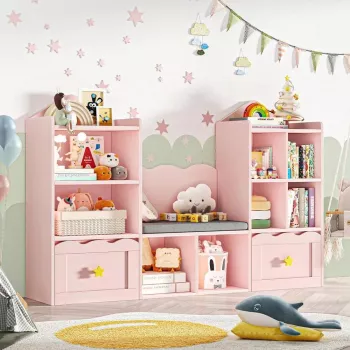
- Kids Bookshelf with Reading Nook and Toy Storage, Bookcase with Drawers & Cubbies — a single spot for books, a cozy sit-down nook, plus cubbies and drawers to make cleanup predictable.
- LED Flashlight Smart Watch with Bluetooth Calling & 100+ Sports Modes — handy if you like using timers for cleanup sprints or bedtime routines without handing over your phone.
- Wireless Earbuds TWS Bluetooth 5.3 – Low Latency, HiFi Sound, Waterproof — useful for grown-ups during story time resets, audiobook listening, or folding laundry while kids settle in.
FAQ
How many books can a kids bookshelf with reading nook and toy storage hold?
Capacity depends on the size mix (board books vs. picture books vs. early readers), so we recommend keeping a rotating selection within easy reach and swapping titles weekly. Overflow books can live in drawers, cubbies, or a separate basket so the shelf stays browsable instead of jam-packed.
What should go in drawers vs cubbies for faster cleanup?
Put daily-use toys in open cubbies (ideally in labeled bins) so your child can see where things go. Use drawers for small pieces, art supplies, and mixed items that look cluttered even when organized, and keep favorites at kid height for independence.
Where should the bookshelf go in a child’s room or playroom?
Place it in a calm corner away from rough-play zones, with stable flooring and clear walkways so the nook feels inviting and safe. If you do bedtime reading, a spot near gentle lighting helps the routine feel consistent.










Leave a comment