Inyahome 3D Shag Bath Rug: Soft, Absorbent, Non-Slip
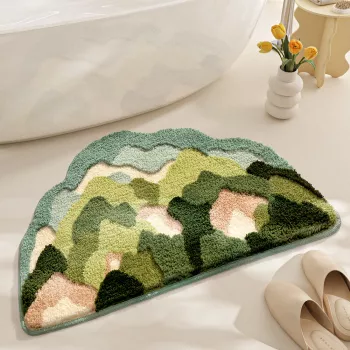
Inyahome 3D Shag Bathroom Rug: Soft Steps, Faster Dry Floors, Safer Bathroom Routines
A good bath mat does three jobs every day: it feels comfortable underfoot, it manages water right where it lands, and it stays put when the floor is slick. The Inyahome 3D Shag Bathroom Rug is built around those basics—plush shag comfort, absorbent surface, and a non-slip base—so the space outside the shower or tub stays cozy, drier, and more secure.
What this rug is made to solve in a real bathroom
- Cold tile shock after a shower: a thicker shag surface gives a softer, warmer landing zone.
- Puddles and drips that travel: an absorbent pile helps capture water before it spreads across the floor.
- Slippery stepping stones: a non-slip backing is designed to help the mat stay in place during daily use.
- Busy mornings: a comfortable mat can make quick routines feel less harsh (especially barefoot).
Comfort first: the 3D shag feel underfoot
The biggest “day-one” difference with a shag bath rug is the landing. When you step out of the shower, that first contact matters—especially in homes where the bathroom gets constant traffic.
- Shag texture creates a cushioned feel that’s noticeable the moment feet hit the mat.
- Works well as a “first step” rug placed directly outside a shower, tub, or bathroom sink.
- Adds a softer layer between feet and hard flooring—useful for homes where the bathroom is frequently used by kids or guests.
- For a cleaner look, pair with neutral towels and let the rug provide the main texture in the room.
Absorbency and everyday drying habits
Absorbency is less about having a rug somewhere in the bathroom and more about putting it where water actually hits the floor. A shag surface can do a lot of catching, but it still needs a routine that lets moisture release.
- Place it where water lands: right outside the shower/tub edge, in front of the sink, or near the vanity where hands drip.
- After back-to-back showers: hang the mat or spread it flat so moisture can release more evenly.
- Help humidity leave the room: run the fan or crack the door so damp air doesn’t linger.
- Keep the floor underneath as dry as practical: moisture trapped under any mat can contribute to odors over time. For background on moisture and mold conditions, the EPA’s overview is a helpful reference: https://www.epa.gov/mold/mold-basics.
Non-slip placement tips for safer footing
Non-slip performance starts with contact. If the floor is dusty, damp, or coated with product residue, any backing can lose grip.
- Start with a clean, dry surface: place the rug on a dry floor so the backing can grip as intended.
- Avoid layering: don’t stack it on top of another mat or towel—layers can shift.
- Smooth it flat: after washing or moving, press the corners down so curl-up edges don’t become a trip point.
- Wipe away slippery residue: lotions, hair oils, and soap film can reduce traction. For broader fall-prevention context at home, the CDC’s falls resource is worth a read: https://www.cdc.gov/falls/index.html.
Choosing the right spot: shower, tub, vanity, or hallway runner
Placement is the difference between “nice-looking” and “actually useful.” Pick the zone that gets wet first and most often.
- Outside the shower or tub: the classic placement that captures drips immediately after stepping out.
- In front of the sink: reduces water spots from handwashing, face routines, and toothbrushing.
- By the vanity: helpful where hair tools, skincare, or makeup routines create frequent foot traffic.
- Near the bathroom door: acts as a buffer zone, catching leftover moisture before it reaches the hallway.
Care routine that keeps a plush rug feeling fresh
- Shake out or vacuum regularly: shag can hold onto hair and dust, especially in shared bathrooms.
- Let it breathe: occasional air-drying between uses helps reduce damp buildup in humid rooms.
- Wash on a schedule that matches your household: higher-traffic bathrooms need more frequent washing than a seldom-used guest bath.
- After washing: reshape and lay flat to dry so the rug settles evenly and stays comfortable underfoot.
Quick comparison: where a shag bath rug fits best
| Mat style | Best for | Comfort underfoot | Drying approach |
|---|---|---|---|
| Shag bath rug | Cozy step-out zone, everyday barefoot comfort | High | Air out; wash when needed |
| Flat weave mat | Low clearance doors, simple maintenance | Medium | Often faster to dry; shake out |
| Memory foam-style mat | Standing at sink/vanity | High | Dry thoroughly; wash per care needs |
| Diatomite/stone mat | Minimalist, quick surface drying | Low | Wipe/clean surface; keep dry |
When this rug is the right pick
Shop with our team
- Inyahome 3D Shag Bathroom Rug – Soft, Absorbent, Non-Slip Mat
- Elegant Women’s Large Leather Tote Bag with Chain Strap (a structured carry-all for gym, spa, or travel days)
- Wireless Earbuds TWS Bluetooth 5.3 – Low Latency, HiFi Sound, Waterproof (easy listening for getting-ready routines)
FAQ
Will a non-slip bath rug still slide on wet tile?
It can if the tile is wet or has residue on it. For best grip, place the rug on a clean, dry floor, smooth it flat, avoid layering it over towels or other mats, and wipe away soap film or oils that reduce contact.
How often should a bathroom rug be washed?
In a busy bathroom, washing weekly to every couple of weeks is a practical range, while low-traffic guest baths can go longer. Wash sooner if you notice odor, the rug stays damp for too long, or there’s visible buildup.
Where should a shag bath mat be placed for the best absorbency?
Put it where water lands first—directly outside the shower or tub, and/or in front of the sink for handwashing drips. If your bathroom runs humid, improving airflow helps the rug dry between uses.














Leave a comment