Neater Backyard Fun: Covered Sandbox with Corner Seats
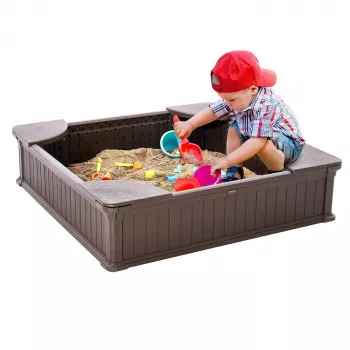
Kids Outdoor Sandbox with Cover and Corner Seats: A Backyard Play Zone That Stays Neat
A good sandbox gives kids a dedicated place to dig, pour, build, and pretend—without turning the whole yard into a beach. When you choose a kids outdoor sandbox with a cover and corner seats, you get two upgrades that matter in real life: a simple way to keep sand cleaner between play sessions and built-in spots for kids to sit, settle in, and collaborate. Our team put together the practical details that make a sandbox easier to use day after day—where to place it, how to keep it tidy, and how to stretch play value from a simple setup.
Why a covered sandbox with corner seats works better for everyday play
- A defined play boundary: Sand stays contained in one zone, which keeps cleanup faster and helps kids understand where “sandbox play” happens.
- Cover support for cleaner sand: A cover reduces leaves, twigs, and yard debris landing in the sand when it’s not in use.
- Corner seats encourage longer, calmer play: Built-in seating creates “stations” for scooping, building roads, or running a pretend café without kids needing extra chairs (or kneeling nonstop).
- Shared play made easier: Seats give kids a natural way to face each other, trade tools, and work on one big build together.
What to look for before choosing a backyard sandbox
- Cover design that matches busy afternoons: If it’s quick to put on and pull off, you’ll actually use it. A cover only helps when it becomes routine.
- Comfort and stability at the corners: Kids shift their weight while they dig and lean—corner seats should feel steady and supportive.
- A layout that fits your yard: Plan for walk-around space so kids can move, you can supervise, and toys have a “parking spot” (a small outdoor mat or paver edge works well).
- Drainage and airflow: Outdoor sand needs a chance to dry out after rain. Good placement and a quick rake-through help prevent persistent damp patches.
- Clear “sand rules” from day one: Decide on basics (shoes on or off, no throwing sand, tools stay in the sandbox area). Predictable rules keep play smoother and cleanup simpler.
Where to place it: comfort, supervision, and less mess
| Placement factor | Aim for | Why it matters |
|---|---|---|
| Visibility | Easy to supervise from a common spot | Better safety and fewer interruptions |
| Shade/temperature | A comfortable play window (shade if possible) | Reduces heat discomfort and sun exposure |
| Ground condition | Flat, stable, good drainage | Helps keep sand drier and the box steadier |
| Mess control | Mat/tray nearby + space to brush off | Less sand tracked indoors |
| Debris exposure | Low leaf/litter fall area | Cleaner sand with less daily maintenance |
Sand basics: choosing, filling, and keeping it play-ready
Care, cleanliness, and safety routines that actually stick
- Daily: Do a quick debris check and put the cover back on. This one habit keeps the sandbox inviting.
- After rain: When the weather clears, uncover briefly so moisture can escape, then rake to break up damp clumps.
- Food stays out: Snacks and sand don’t mix well and can attract pests. Keep eating at a separate spot, then wash hands after play.
- Heat check: On hot days, touch-test the sand before play and set up shade as needed. The CDC’s guidance on sun protection is a helpful baseline: CDC — Sun Safety.
- General backyard safety: Supervision and a tidy play area reduce common hazards. For broader outdoor play guidance, see CPSC — Outdoor Home Playground Safety Handbook.
Play ideas that make the sandbox feel new again
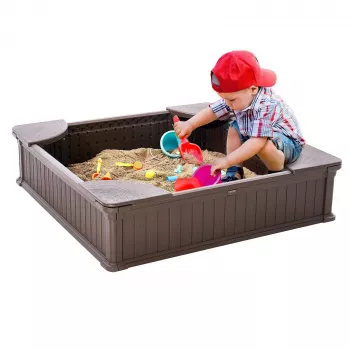
Featured pick: Kids Outdoor Sandbox with Cover and Corner Seats
If you want a backyard activity that’s easy to start and easier to keep contained, our Kids Outdoor Sandbox with Cover and Corner Seats is built around the two upgrades families feel immediately: a cover for between-play protection and corner seating that helps kids stay comfortable while they build together. This style of setup keeps outdoor play simple—open, play, quick reset, cover—so the sandbox stays ready for tomorrow.
| Family need | Why it fits | Tip to get more value |
|---|---|---|
| Want less daily cleanup | Cover helps keep debris out between uses | Make “cover on” the end-of-play routine |
| Kids who like longer play sessions | Corner seats add comfort and reduce kneeling | Store a small bin of tools nearby |
| Shared sibling play | Seats create natural collaboration spots | Assign simple roles for smoother teamwork |
More in-stock picks you can add to your cart
- LED Flashlight Smart Watch with Bluetooth Calling & 100+ Sports Modes
- Elegant Women’s Large Leather Tote Bag with Chain Strap
- Wireless Earbuds TWS Bluetooth 5.3 – Low Latency, HiFi Sound, Waterproof
FAQ
How much sand is needed for an outdoor kids sandbox?
The amount depends on the interior length and width of your sandbox and the depth you want for digging and building. A practical approach is to fill deep enough for tunnels and mounds while leaving a buffer below the top edge to reduce spillover. Multiply length × width × desired depth to estimate volume, then convert to the number of sand bags you’ll need.
How can sand be kept clean outdoors?
Use the cover every time the sandbox isn’t in use, remove visible debris regularly, and rake the top layer to keep it loose and quicker to dry. Keep food out of the sandbox area and make handwashing after play a consistent rule.
Where should a sandbox be placed in the yard?
Place it on level ground where you can supervise easily, with a comfortable mix of sun and shade. Avoid spots under heavy leaf drop, and set a mat or tray nearby to catch sand before it gets tracked indoors.














Leave a comment