Adjustable Waterproof Cloth Diapers: Soft Fit 6–33 lbs
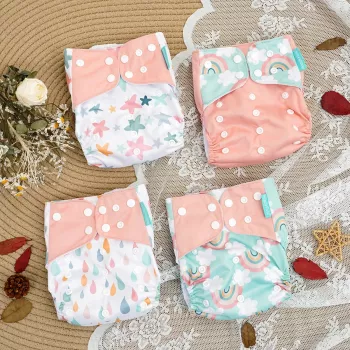
Adjustable Waterproof Cloth Diapers – Soft, Washable & Fits 6–33 lbs
A reliable cloth diaper should feel gentle on your baby’s skin, seal leaks without bulky layers, and adjust as your little one grows. Our adjustable waterproof cloth diaper is designed for everyday diaper changes—from newborn days through toddler sizing—while staying soft, washable, and simple to use at home or on the go.
If you’re building a practical routine that supports fewer disposables and fewer emergency store runs, a well-fitting, washable diaper can make day-to-day life smoother for you and every caregiver who helps.
What makes this diaper an easy everyday choice
- Adjustable fit across stages: Designed to cover a wide weight range (6–33 lbs), so one diaper can carry you through multiple size phases.
- Waterproof outer layer: Helps keep clothing and bedding drier during playtime, naps, and outings.
- Soft inner feel: Comfort matters, especially when you’re between changes or dealing with longer stretches on the go.
- Washable construction: Built for repeat use—helpful when your routine prioritizes less waste and more predictability.
- Caregiver-friendly adjustments: Simple closures and sizing settings make changes easier for babysitters and daycare drop-offs.
If you’re ready to add one to your rotation, you can find it here: Adjustable Waterproof Cloth Diapers – Soft, Washable & Fits 6–33 lbs.
Fit that grows: dialing in comfort from 6–33 lbs
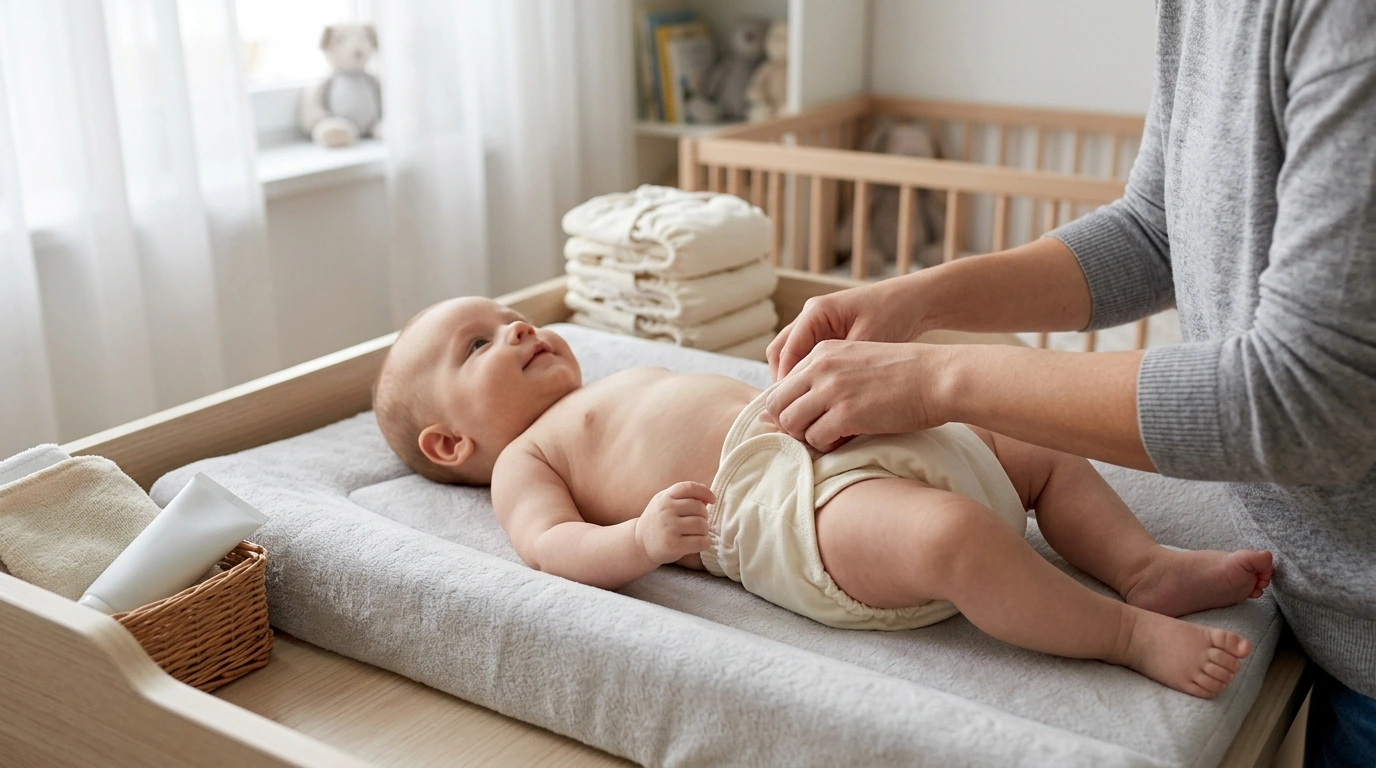
Most leak issues come down to fit, not “more layers.” The goal is a snug, comfortable seal at the legs and waist while keeping the diaper balanced on your baby’s torso.
- Start at the waist: Aim for snug (not tight). The diaper should sit below the belly button and lie flat without gapping at the back.
- Match the rise to your baby’s torso: A good rise prevents sagging and reduces the chance of leg leaks.
- Check leg openings after fastening: They should hug the crease where the thigh meets the body without leaving deep marks.
- Re-fit after outfit changes: Tighter pants can compress a diaper and cause pressure gaps or wicking.
- If leaks happen quickly: Re-check leg fit and rise first; immediate leaks are usually fit-related.
Quick fit guide for a comfortable seal
| Baby weight | Rise setting goal | What to look for |
|---|---|---|
| 6–12 lbs | Shortest rise that still covers fully | Flat tummy panel, no gapping at back |
| 12–20 lbs | Mid rise as baby lengthens | Legs hug gently; diaper doesn’t droop when lifted |
| 20–28 lbs | Mid-to-tall rise with secure waist | Even tension across waist; no “wing” gaps at hips |
| 28–33 lbs | Tallest rise with roomy leg setting | Comfortable thigh clearance; smooth fit under clothes |
Waterproof protection without the bulk
A waterproof shell is meant to block moisture from reaching clothes—especially helpful during car seats, carriers, and stroller rides. To get the most from the waterproof layer, balance matters: too loose creates gaps, and too tight can cause compression leaks (when absorbency is squeezed and moisture escapes at the edges).
- Prioritize seal first for naps: For longer stretches, start with a secure waist and leg fit, then adjust absorbency based on your routine.
- Watch for wicking: If you notice damp edges on clothing, check whether a onesie or pants fabric is tucked into the leg opening and drawing moisture out.
- Keep movement in mind: Crawling, squirming, and car-seat time can shift fit—quick checks after buckling in can help prevent surprises.
Soft feel and skin-friendly habits that matter
Even a soft diaper performs best with consistent change intervals and a routine that supports healthy skin. If you ever need a deeper dive on diaper rash basics, you can review guidance from American Academy of Pediatrics (HealthyChildren.org) and Mayo Clinic.
- Change promptly: Reduce prolonged wetness against the skin whenever possible.
- Use compatible barrier products if needed: If your baby is prone to redness, a thin layer focused on folds and contact points can help.
- Prioritize airflow: If irritation appears, add a little diaper-free time and make sure diapers are fully rinsed and completely dry before reuse.
- Adjust fit if you see marks: Redness at the waist or thighs often improves with a slightly looser setting and a better rise match.
A simple washing routine for washable diapers
A consistent wash routine helps prevent odors and buildup while keeping fabrics performing well. Many families find that smaller, more frequent loads are easier to clean thoroughly than one tightly packed wash.
And since diaper changes are a hands-on job, keeping a solid handwashing habit protects your whole household—see the CDC handwashing guidance for best practices.
Building a practical day-to-day diapering setup
More in our store for on-the-go parents
- Elegant Women’s Large Leather Tote Bag with Chain Strap (a roomy everyday carry option when you want a bag that transitions beyond the diaper years)
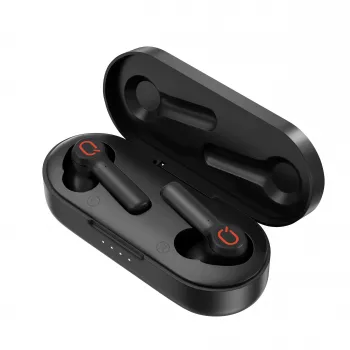
- Wireless Earbuds TWS Bluetooth 5.3 – Low Latency, HiFi Sound, Waterproof (helpful when you need hands-free calls during errands or stroller walks)
FAQ
How often should washable cloth diapers be washed?
Most families do well washing every 2–3 days to prevent odors and detergent buildup. A simple routine is a short pre-rinse or pre-wash followed by a main wash, then a thorough rinse if needed.
What usually causes leaks with waterproof cloth diapers?
Leaks are most often caused by fit issues like leg gaps, a rise that’s too long or too short, or uneven waist tension. Wicking from clothing tucked into the edges and growth-spurt changes that need re-adjustment can also lead to leaks.
Can this adjustable cloth diaper work for naps or overnight?
A waterproof shell can help protect clothing and bedding, but longer stretches depend on getting a secure fit first. For naps or overnight, focus on a balanced waist and leg seal and adjust your absorbency approach based on your household’s routine.














Leave a comment