20V Cordless Drill Driver Kit: Battery & Charger Included
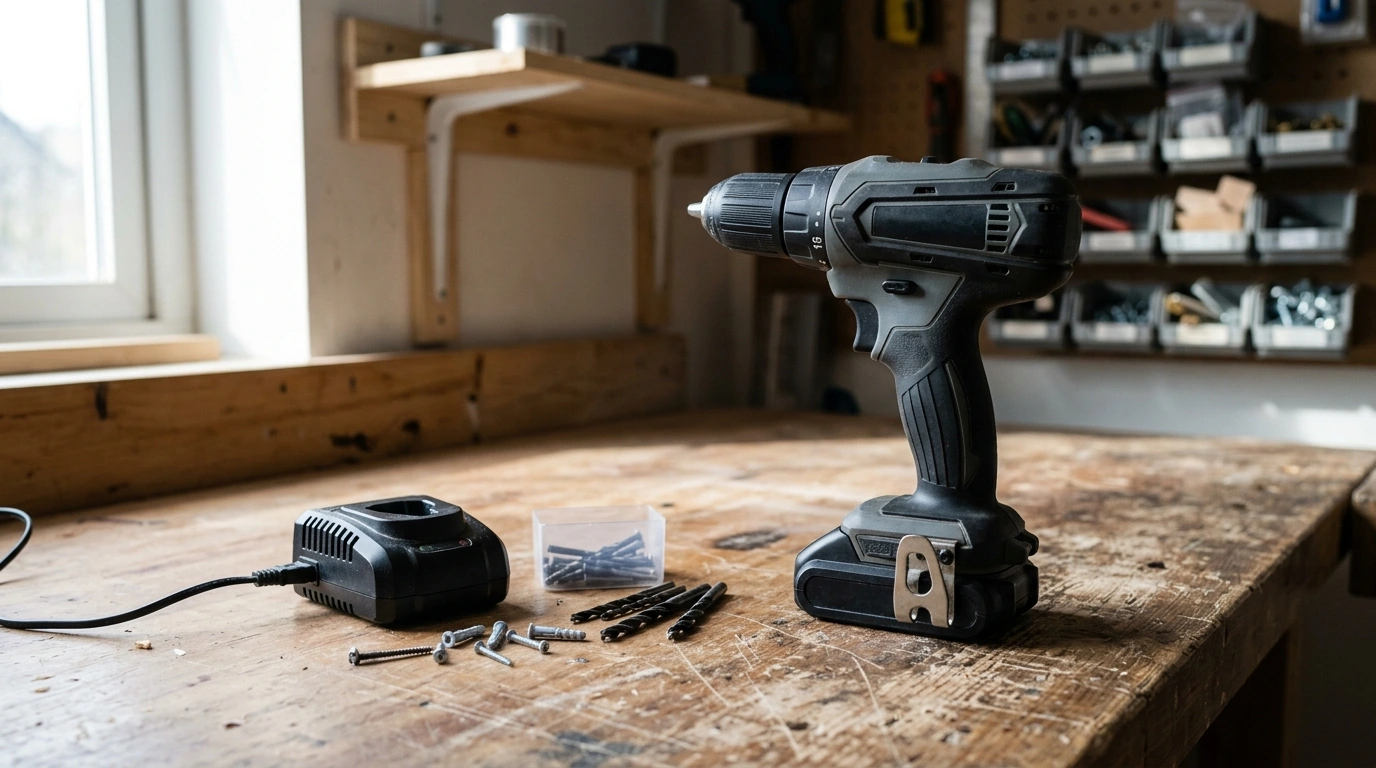
20V Cordless Drill Driver Kit with Battery and Charger
A cordless drill driver is one of the most useful tools for everyday fixes—hanging shelves, assembling furniture, tightening loose hardware, and drilling clean pilot holes without being tethered to an outlet. A 20V-class cordless drill driver kit that includes a battery and charger is an easy, practical grab-and-go option for home projects, dorm rooms, and small workshops where convenience matters as much as capability.
If you want a simple place to start, the 20V Cordless Drill Driver Kit with Battery and Charger is a budget-friendly way to cover the most common “around the house” drilling and driving jobs without tracking down extra essentials on day one.
What This Kit Helps With Day to Day
A drill driver earns its keep when it can switch quickly between making holes and setting fasteners. For many home tasks, that “one tool” approach is exactly what keeps small projects moving.
- Furniture assembly: Drive screws consistently without stripping heads by matching clutch settings to the material.
- Wall-mounted projects: Drill pilot holes for anchors, then switch to driving mode to install screws.
- Cabinet and door hardware: Fine control for hinges, knobs, pulls, and alignment tweaks.
- Quick repairs: Tighten loose brackets, bed frames, handles, and fixtures around the home.
- Light DIY builds: Small jigs, planter boxes, or simple framing with appropriate bits and fasteners.
For tighter spaces (behind a toilet, inside a cabinet, or under a desk), cordless convenience is often the difference between finishing the job now versus putting it off.
Key Features to Look For in a Cordless Drill Driver
Not all drill drivers feel the same in use. These practical features tend to matter most once you’re actually drilling holes and setting screws back-to-back.
- Voltage class (20V): Commonly used for general household drilling and driving; pairs well with standard drill and driver bits.
- Clutch settings: Helps prevent over-driving screws and damaging softwoods, drywall, or furniture panels.
- Variable speed trigger: Slow starts for accuracy; faster speeds for efficient drilling when the bit is stable.
- Forward/reverse switch: Forward for driving and drilling; reverse for backing out screws and freeing stuck bits.
- Ergonomics: Grip shape, balance, and weight matter for overhead work and longer sessions.
- Battery and charger included: Reduces setup friction and ensures the drill is usable out of the box.
One small habit that improves results immediately: treat the clutch like a “finish control.” Start lower than you think you need, then increase only until screws seat flush without digging in.
Quick Specs and Use-Cases Checklist
Use the checklist below to match typical jobs with the tool setup and a few best practices. For best results, use sharp bits, apply steady pressure, and let the drill do the work—forcing it increases wobble and heat.
| Task | Recommended setup | Tips for cleaner results |
|---|---|---|
| Assembling flat-pack furniture | Driver bit + low clutch | Start slow; increase clutch only until screws seat flush |
| Installing shelves with wall anchors | Drill bit for pilot/anchor hole + driver bit | Mark level lines; avoid over-tightening anchors in drywall |
| Hanging curtain rods | Pilot hole + screw driving | Use painter’s tape to reduce bit slip on glossy paint |
| Drilling into wood | Brad-point or twist bit + medium speed | Back the hole with scrap wood to reduce tear-out |
| Removing stubborn screws | Driver bit + reverse + firm pressure | Try a fresh bit; a worn bit increases cam-out |
Using Battery Power Wisely
A cordless drill is only as convenient as its battery is ready. A few simple routines can reduce interruptions and help the pack last longer over time.
- Charge planning: Topping up before a project reduces mid-task interruptions; avoid leaving a charging battery unattended for long periods.
- Heat management: Heavy driving or drilling can warm the battery; allow it to cool before recharging if it feels hot.
- Storage basics: Store the battery in a dry place away from extreme temperatures; extreme heat shortens battery life.
- Efficiency tip: Drill pilot holes for long screws—less strain on the motor and less drain on the battery.
For deeper battery-care guidance, Battery University offers practical best practices for extending lithium-based battery lifespan: How to Prolong Lithium-based Batteries.
Safer, Cleaner Drilling and Driving Habits
Clean results usually come from the same habits that improve safety: stable work, controlled starts, and the right protection.
For broader power-tool safety guidance, OSHA’s hand and power tool resources are a solid reference: OSHA – Hand and Power Tools.
What’s in the Kit and Who It Suits Best
Simple add-ons that make projects easier
Good lighting and a little entertainment can make weekend tasks less frustrating—especially in closets, garages, and under-sink spaces. If you like multipurpose gear, the LED Flashlight Smart Watch with Bluetooth Calling & 100+ Sports Modes can double as a quick light source for tight spots. And for longer sessions, Wireless Earbuds TWS Bluetooth 5.3 – Low Latency, HiFi Sound, Waterproof are a convenient way to take calls or listen to audio without a cord catching on hardware.
FAQ
Can a drill driver be used as a screwdriver for furniture assembly?
Yes—use the correct driver bit, set a low clutch setting, start slowly, and increase only as needed to avoid stripping screws or cracking panels.
Is 20V enough for typical home drilling and screw driving?
For most household tasks like furniture, shelves, hardware, and pilot holes in wood, 20V-class drills are commonly used. Tougher jobs depend on bit choice, technique, and the material you’re drilling into.
How can battery life be extended during projects?
Drill pilot holes for long screws, avoid overheating the tool, use sharp bits, and let the battery cool before recharging after heavy use.















Leave a comment