12–16 Inch Kids Bikes w/ Training Wheels: Fit & Safety
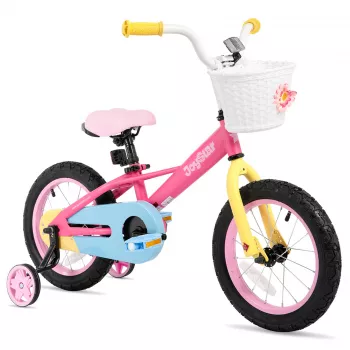
Kids Bike for Ages 3-9 (12–16 Inch) with Training Wheels: A Parent’s Guide to Fit, Safety, and Easy Learning
A first pedal bike should feel stable, predictable, and fun—without being so big that starting and stopping becomes stressful. This guide breaks down how 12–16 inch kids bikes with training wheels typically fit ages 3–9, what to check for safer rides, and how to set up the bike so a child can gain confidence quickly.
Who a 12–16 inch kids bike with training wheels suits
Most “ages 3–9” bikes cover a wide range because kids grow at different rates. Height and inseam matter more than the birthday on the box. A well-fitted bike helps a child start smoothly, pedal without wobbling, and stop without panic.
- Typical rider range: preschool through early elementary, depending on height and inseam more than age.
- Best match for early riders: when a child can sit on the saddle and reach the ground with the balls of both feet (or at least one foot firmly) for confident stops.
- Training wheels aren’t a fix for poor fit: an oversized bike can still tip awkwardly, especially when turning or rolling over driveway seams.
- Think about the surface: smooth sidewalks and driveways are more training-wheel-friendly than gravel, bumpy paths, or thick grass where the small wheels can snag.
Quick sizing guide (focus on height and inseam)
Wheel size is only one piece of the fit puzzle. Frame geometry, standover height, and the saddle’s lowest setting determine whether a bike feels manageable on day one. If a child can’t start without help or can’t stop without hopping off, the bike is usually too tall or the seat is set too high.
- Measure inseam: have your child stand against a wall, place a book between their legs like a saddle, then measure from the floor to the top edge of the book.
- Aim for control over speed: confident starting and predictable stopping are more important than “growing into it.”
- Re-check after assembly: many new bikes ship with the saddle set higher than ideal for a first ride.
| Wheel size | Common age range | Approx. height range | Common inseam range | Notes |
|---|---|---|---|---|
| 12 inch | 3–5 | 36–42 in | 14–17 in | Great for first pedals; easiest starts and stops |
| 14 inch | 4–6 | 39–45 in | 16–19 in | Good bridge size; check reach to handlebars |
| 16 inch | 5–9 | 42–52 in | 18–24 in | Longer use window; ensure the bike isn’t too tall at first |
Key features that make learning easier
When a child is learning to pedal, small design choices can reduce frustration and help them build habits that translate to riding without training wheels later.
- Stable training wheels: look for a solid mounting bracket with minimal wobble. Adjust both sides evenly so the bike doesn’t “favor” one side.
- Kid-friendly brakes: smaller hands do best with easy-pull levers. Confirm your child can squeeze the lever while keeping a steady grip on the handlebar.
- Comfort and control points: soft grips, straight handlebar alignment, and a saddle that can drop low enough for easy foot contact.
- Chain coverage: a chain guard helps reduce snagged clothing and keeps curious fingers away from moving parts.
- Tires and traction: slightly wider tires can feel more forgiving over cracks and sidewalk seams.
Setup checklist for a safer first ride
A few minutes of setup can prevent most early mishaps. Before the first ride (and after a few practice sessions), do a quick check. For broader safety guidance, see the American Academy of Pediatrics bike safety tips and the U.S. Consumer Product Safety Commission helmet guidance.
- Tighten and verify: confirm wheels, handlebar clamp, saddle clamp, and training wheel brackets are secure before riding.
- Brake check: test stopping power at walking speed; brake levers should not pull all the way to the handlebar.
- Training wheel alignment: set both wheels to the same height. Many families start with a slight tilt so the bike can lean gently while still catching a wobble.
- Saddle height: for early learning, set the saddle low enough that your child can touch down quickly and stabilize.
- Helmet and footwear: helmet sits level, straps snug, no rocking; closed-toe shoes improve grip and pedal control.
Building confidence: a simple progression plan
Kids learn fastest when practice feels like play and ends before fatigue. Think “small wins,” not marathon sessions.
Product picks (in stock)
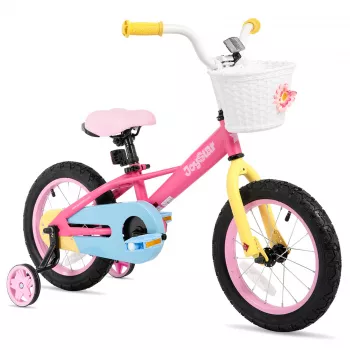
Kids Bike for Ages 3-9, 12-16 Inch with Training Wheels
LED Flashlight Smart Watch with Bluetooth Calling & 100+ Sports Modes
Wireless Earbuds TWS Bluetooth 5.3 – Low Latency, HiFi Sound, Waterproof
| Item | Details |
|---|---|
| Name | Kids Bike for Ages 3-9, 12-16 Inch with Training Wheels |
| Price | 141.47 USD |
| Availability | In stock |
FAQ
Should a child be able to put both feet flat on the ground on a first pedal bike?
It helps if early learners can touch down easily, but perfectly flat-footed contact isn’t required. A common sweet spot is balls of both feet touching (or one foot firmly down) so stops feel controlled; lowering the saddle can quickly boost confidence.
How high should training wheels be set?
Set them evenly on both sides so the bike tracks straight. Many kids do best when the bike can lean slightly while the wheels still catch a wobble, since training wheels set too low can cause awkward tipping during turns.
When is it time to remove training wheels?
It’s usually time when starts are smooth, steering stays steady without relying on frequent trainer contact, and stops are controlled. A simple transition is raising the training wheels gradually over several sessions before removing them completely.













Leave a comment