Ceramic Butter Keeper: Fresh, Spreadable Butter & More
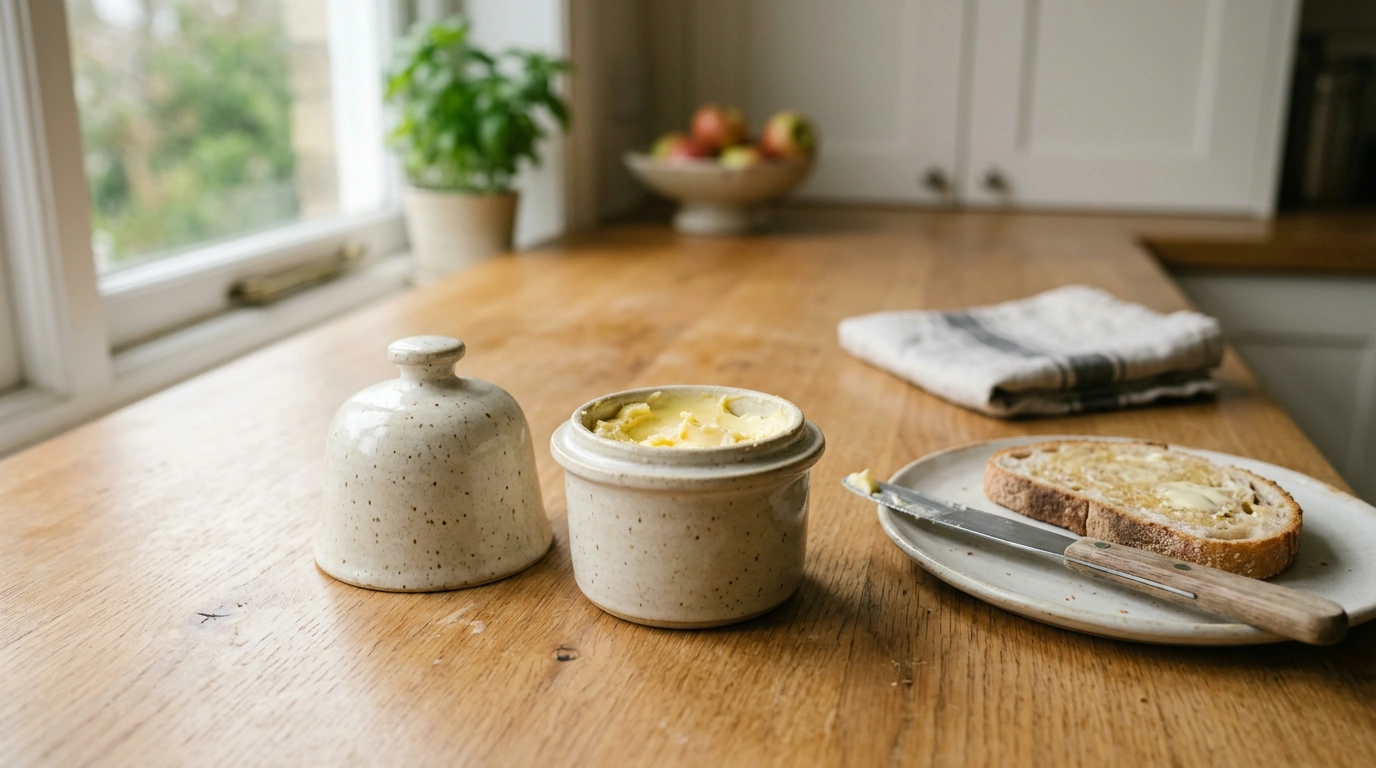
Ceramic Butter Keeper & Multi-Use Fresh-Keeping Jar
A ceramic butter keeper can keep everyday butter ready to spread while doubling as a compact jar for other foods. With a snug lid and a sturdy ceramic body, it helps reduce exposure to air and kitchen odors and keeps your countertop setup looking tidy. Below is a practical guide to how a ceramic keeper works, when to store butter on the counter versus in the fridge, and how to use and care for it so flavors stay clean and freshness stays consistent.
What a ceramic butter keeper does
A butter keeper is a simple tool with a big payoff in daily cooking: easier spreading, cleaner storage, and fewer “butter box” odors lingering in the fridge or on the counter.
- Holds butter in a covered ceramic container to reduce exposure to air, light, and kitchen odors.
- Helps maintain a softer, spreadable texture when used appropriately for room conditions.
- Ceramic body can buffer temperature swings better than thin plastic containers.
- Covered design supports tidier storage for butter, spreads, and small portions of ingredients.
Ceramic’s weight and thickness can make the container feel more stable on the counter, while the lid helps protect the surface of the butter from drying out between uses.
Butter storage basics: counter vs. refrigerator
Butter storage is mostly about matching your routine to your environment. If butter is used daily and your kitchen stays reasonably cool, countertop storage in a covered container is often the most convenient option. If your kitchen runs warm, or butter sits for long stretches, refrigeration is typically the safer, higher-quality choice.
- Room-temperature butter is convenient for toast, baking prep, and quick cooking, but timing and environment matter.
- Refrigeration slows quality loss and is better for long holds, very warm kitchens, or infrequent use.
- If using the counter, keep portions small enough to finish within a reasonable window and keep the lid on between uses.
- Keep the keeper away from heat sources like ovens, direct sun, and stovetops.
Quick guide to where to keep butter
| Situation | Recommended spot | Why it helps |
|---|---|---|
| Cool to mild kitchen, butter used daily | Countertop in a covered keeper | Convenience with reduced air exposure |
| Warm kitchen or summer heat | Refrigerator; bring out a small portion | Lower risk of softening too far and quality loss |
| Butter used only occasionally | Refrigerator or freezer (long term) | Maintains flavor and texture longer |
| Strong odors in fridge or kitchen | Covered ceramic container | Lid reduces odor transfer and drying |
For additional food-safety guidance and general storage timelines, consult the USDA Cold Food Storage Chart and the FDA Food Storage and Food Safety resources.
Multi-use ideas beyond butter
A covered ceramic jar shines when you want a small, accessible portion of something without leaving it exposed. If the item is perishable or you won’t use it quickly, store it in the refrigerator and treat the keeper like a compact “prep jar.”
- Soft cheeses: store small portions (for example, cream cheese) to limit drying and pick-up of odors.
- Spreads and condiments: pesto, garlic butter, herb blends, jams, or honey for short-term serving.
- Aromatics: peeled garlic cloves, ginger coins, or sliced scallions (best refrigerated).
- Baking staples: measured-out brown sugar or flaky salt to keep handy and covered near the prep area.
- Serving piece: use as a small tabletop container for compound butter at dinner.
Because ceramic can move easily from fridge to counter to table, it works well for “set it out to soften” moments—like bringing out herb butter 15–30 minutes before dinner, then sealing and chilling leftovers.
How to use a butter keeper cleanly
A butter keeper stays freshest when you treat it like a mini “clean zone” for fats and spreads. Small habits—drying well, avoiding crumbs, rotating stock—do more than any fancy storage hack.
Care and cleaning for ceramic jars
Choosing the right size and setup for your kitchen
Product snapshot: Ceramic Butter Keeper & Multi-Use Fresh-Keeping Jar
The Ceramic Butter Keeper & Multi-Use Fresh-Keeping Jar is designed as a covered ceramic container for butter and other small food items. It’s a practical way to keep a ready-to-use portion accessible while helping reduce exposure to air and kitchen odors, and it can also serve as a compact fresh-keeping jar for spreads, aromatics, or small prep ingredients. Current price and availability can be checked on the product page before ordering.
More in-stock picks
- Elegant Women’s Large Leather Tote Bag with Chain Strap
- Wireless Earbuds TWS Bluetooth 5.3 – Low Latency, HiFi Sound, Waterproof
FAQ
Can butter be kept on the counter in a covered ceramic keeper?
Many people keep butter covered at room temperature for short periods, especially when it’s used daily and the kitchen stays cool to mild. Keep the lid on, store a small portion you’ll finish reasonably soon, and choose a spot away from heat or direct sun; in warm kitchens, refrigeration is the better option.
What else can a ceramic butter keeper be used for?
It can hold small portions of soft cheese, compound butter, pesto, jam, honey, peeled garlic, or pre-measured salt/sugar near your prep area. For perishable items or longer storage, keep the container refrigerated to maintain freshness.
How do you remove odors from a ceramic food container?
Wash with mild soap, rinse thoroughly, and dry completely. If odors linger, soak briefly in warm water with baking soda, rinse again, and let it air-dry with the lid off; avoid harsh abrasive scrubbing that can dull the glaze.













Leave a comment