Living Room Outdoor Family Shelter Tent: Planning Guide
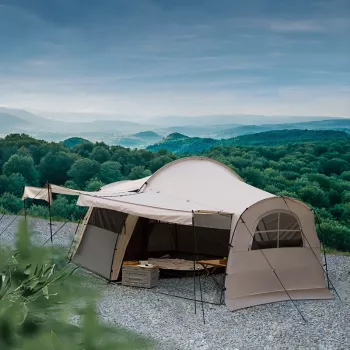
Make Room for Everyone Outdoors with the Living Room Outdoor Family Shelter Tent
A shared outdoor space can make a campsite or backyard gathering easier to enjoy. It gives your group a place to meet between activities, set down day-use items, and spend time together. If you’re considering our Living Room Outdoor Family Shelter Tent, start with the way your family will use that space—not just the number of people coming along.
Start with the gathering space you need
Picture an ordinary afternoon outdoors. Will everyone sit together for meals, spread out a game, or stop by occasionally for water and a break? Those plans determine how much open space you need and what must remain accessible. Count the people likely to gather at once, then account for any chairs, bags, or other items they’ll bring.
Before ordering, compare your plans with the shelter’s current dimensions, package contents, and setup information. At a campsite, think beyond the shelter’s footprint, too. People need a clear route between the gathering area, sleeping area, and cooking area without stepping over gear or passing too close to equipment.
| Activity | Space to allow for | Planning tip |
|---|---|---|
| Family meals | Seating and room to move around it | Keep cooking equipment in an appropriate separate area. |
| Games and downtime | A clear central area | Choose activities that are easy to put away when plans change. |
| Gear organization | A spot for frequently used items | Keep walkways and exits unobstructed. |
| Arrival and departure | Room to sort bags and supplies | Set aside anything you’ll need before the last bag is packed. |
Choose the site before setting up
At a campground, confirm that shelters are permitted and that your assigned space can accommodate yours. Look for level ground, avoid low spots where water may collect, and check overhead for potential hazards. Leave room around the shelter for entry and movement, as well as any clearance required by its setup instructions. Follow the manufacturer’s directions for placement and anchoring; a method suited to one surface may not suit another.
Check the forecast before you leave and again during your trip when you can. A shelter is a gathering space, not a safe place to ride out lightning or severe weather. Agree ahead of time where your group will go if conditions deteriorate. The National Weather Service’s lightning safety guidance can help you make that plan, while the National Park Service’s camping safety guidance is a useful reference when preparing for a campsite visit.
For a backyard gathering, apply the same basic checks rather than assuming familiar ground needs no planning. Consider where guests will walk, whether entrances will remain clear, and how you’ll move everyone indoors if the weather changes.
Build a comfortable routine around it
A few agreed-upon habits can help a shared space work for everyone. Give shoes, bags, and games a designated place, and keep frequently used items within easy reach without crowding an entrance. If children are joining, establish boundaries and a meeting point before people split up for different activities.
Bring clothing suited to changing temperatures and keep drinking water accessible. If your plans extend toward dusk, decide how your group will handle the transition before it gets dark. Our LED Flashlight Smart Watch with Bluetooth Calling & 100+ Sports Modes is another in-stock item to consider for your outdoor kit; review its current product details to decide whether its features suit your trip.
Keep stoves, flames, and fuel-burning heaters outside the shelter. Use equipment only according to its manufacturer’s instructions and the site’s fire rules. A convenient gathering area should never become a cooking area by default, even if rain or cold changes your original plans.
Make the final choice with your plans in mind
The Living Room Outdoor Family Shelter Tent is worth considering when you want a dedicated place for your group to spend time together outdoors. Make the decision with your destination in mind: confirm the current size, materials, included components, and setup requirements, then compare them with the space available and what you can transport to the site.
Think through the full outing, not only the first setup. Can your group carry the shelter from the vehicle, assemble it where it’s permitted, and pack it away when the day ends? After each use, follow its care instructions and make sure it is clean and dry before storage. That final step makes the next gathering simpler to plan.
Before choosing, compare the product details with your daily routine, available space, care needs, and preferred setup. The strongest option is usually the one that fits the intended use clearly and remains simple to clean, store, and check before repeat use.
FAQ
Can this shelter be used for overnight sleeping?
Do not assume the shelter is intended for overnight sleeping. Confirm its stated intended use and specifications before planning an overnight trip.
What should I check before taking a family shelter to a campsite?
Confirm the campsite’s shelter rules and available space, check the forecast, and review the shelter’s dimensions, included components, and setup instructions.
Can a stove or heater be used inside the shelter?
No. Keep stoves, heaters, and other fuel-burning equipment outside the shelter, and follow equipment instructions and campsite fire rules.














Leave a comment