Your First Fresh Pasta With a Manual Pasta Maker
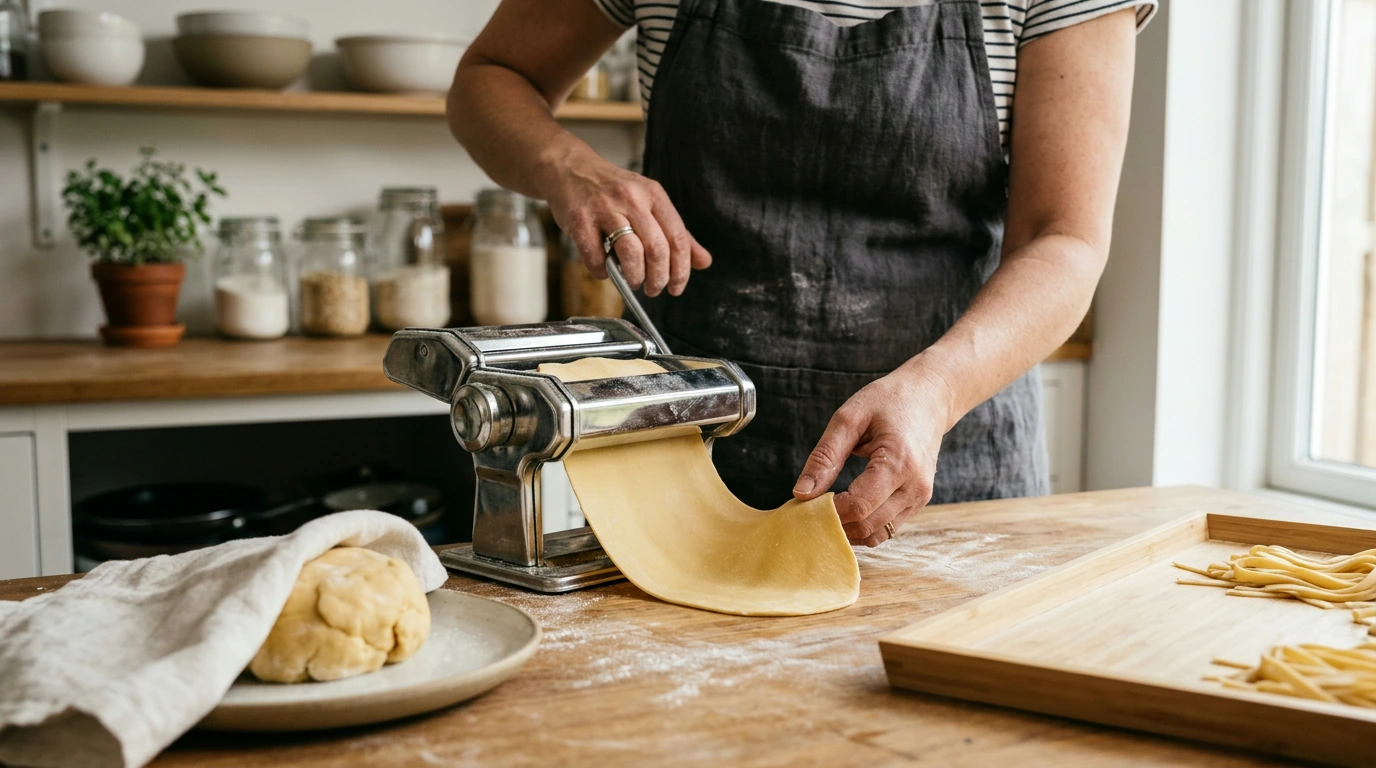
Fresh pasta turns dinner into a hands-on project, but you do not need to make every part of it difficult. A manual pasta maker helps you roll dough into more even sheets while letting you control the pace. We recommend keeping your first batch simple: use a recipe you trust, work with small pieces of dough, and give yourself room to learn how the dough behaves. For more guidance, see How to make homemade Phyllo using a Pasta Machine.
What a manual pasta maker adds to your kitchen
You can make fresh pasta with a rolling pin and a knife. A machine is useful when you want help producing consistent sheets, especially as you make several portions. With a hand crank, you decide how quickly each piece moves through the rollers and can pause whenever a sheet needs attention. For further reading, see Manual Noodle Maker – food-machines.org.
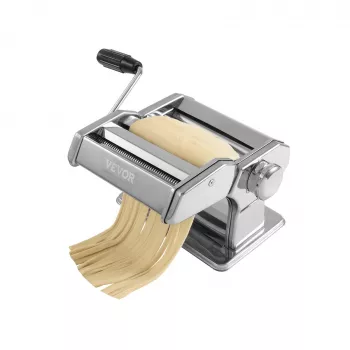
Our Manual Pasta Maker Machine Set is an option if you enjoy hands-on cooking and prefer not to rely on an electric machine. It does not replace the rest of the work: you will still mix, knead, rest, roll, cut, and cook your dough. If that sounds like an enjoyable part of dinner rather than an obstacle, a manual maker may fit your routine.
Before you start: dough, space, and a simple plan
For a first batch, choose a familiar fresh-pasta recipe and follow its ingredient quantities. Flour, eggs, and other liquids can vary from recipe to recipe, so guessing at a ratio makes it harder to tell whether the dough needs adjustment. The King Arthur Baking homemade pasta recipe is one place to start if you need a complete set of dough and cooking directions.
Clear enough counter space to shape the dough and guide a sheet as it comes out of the machine. Set aside a little flour for light dusting, plus a clean place to lay finished sheets or strands without piling them together. Read the instructions supplied with your machine before its first use, particularly the directions for setup, adjustment, and cleaning.
Before rolling, the dough should feel cohesive and pliable. If it fights you when you flatten it or repeatedly springs back, give it the rest called for in your recipe rather than forcing it through the rollers. That pause can make the next pass much easier.
From dough to dinner: an easy first-batch workflow
After the dough has rested, divide it into pieces you can handle comfortably. Keep the unused pieces covered so their surfaces do not dry out while you work. Flatten one piece by hand into a shape that can enter the rollers without being pushed or crammed into them.
If your machine has adjustable settings, begin at a wider gap. Pass the dough through, then fold it and pass it through again as needed to develop a smoother sheet. Once it feeds evenly, move gradually toward thinner sheets. Trying to push thick dough through a narrow gap can cause tearing and make the process frustrating.
Use a modest dusting of flour when dough sticks to your hands, the work surface, or itself. Too much loose flour can make the sheet harder to handle and leave extra flour on the finished pasta. If a sheet becomes long and awkward, cut it into shorter lengths or start the next piece with a smaller portion of dough.
| Stage | What to do | What to watch for |
|---|---|---|
| Prepare | Mix, knead, and rest dough according to your recipe. | Dough that is pliable rather than crumbly or sticky. |
| Roll | Work with small portions and thin each sheet gradually. | A sheet that feeds smoothly without tearing. |
| Cut | Cut the sheet and separate the pasta before cooking. | Pieces that are not clumped together. |
| Cook | Follow the recipe and taste to check doneness. | Tender pasta with the texture you prefer. |
When a sheet suits your chosen recipe, cut it with the components available to you or use a knife. Separate the cut pasta and keep it from clumping while you finish the batch. Cook it according to your recipe, tasting to check doneness instead of relying on one cooking time for every dough or shape.
Keeping the process enjoyable
Choose a straightforward shape for your first attempt, and prepare the sauce before the pasta goes into the pot. That way, you can focus on cooking and serving when the pasta is ready. If you like a soundtrack while you knead and roll, our Wireless Earbuds TWS Bluetooth 5.3 are an optional kitchen companion; keep your attention on the machine and your work surface while using them.
Small adjustments often solve rolling problems. Let dough rest if it keeps shrinking. Use smaller portions if sheets become difficult to guide. Dust lightly if surfaces stick, and consult your dough recipe before changing its moisture. Aim for a sheet you can handle comfortably, not a perfect-looking first pass.
If your dough contains raw egg, keep ingredients properly refrigerated and clean surfaces and utensils after contact with it. The FDA’s egg-safety guidance offers further food-handling advice. When dinner is done, follow the machine’s supplied cleaning directions and dry all parts that the instructions permit you to clean before storage.
FAQ
Do I need a pasta machine to make fresh pasta?
No. You can roll and cut dough by hand, though a manual machine can make the rolling stage more consistent and less demanding.
Why does my pasta dough tear when I roll it?
It may need more rest, a smaller portion size, or a more gradual move from thicker to thinner sheets. Follow your dough recipe when adjusting moisture.
How should I clean a manual pasta maker?
Follow the instructions supplied with your machine. Remove dough as directed, avoid cleaning methods the manufacturer does not permit, and dry the machine before storing it.














Leave a comment