Hybrid HiFi IEMs: Detachable Cable & Multi-Plug Audio
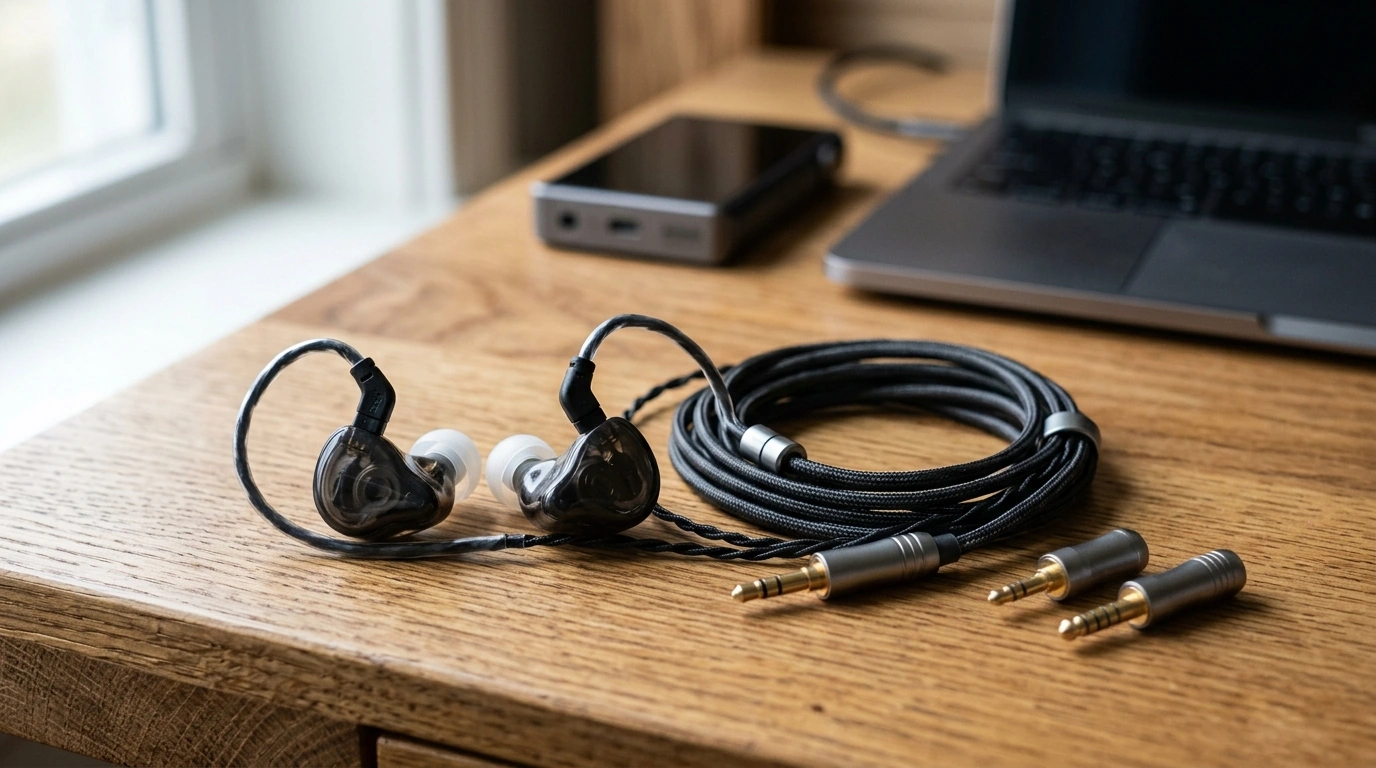
Hybrid HiFi In-Ear Monitors with Detachable Cable & Multi-Plug Support
A great in-ear setup should do two things at once: deliver detail you can follow and stay flexible as your gear changes. Our Hybrid HiFi In-Ear Monitors with Detachable Cable & Multi-Plug Support are built around that idea—hybrid driver tuning for layered sound, a detachable cable for easy maintenance and upgrades, and multi-plug support so you can move between common outputs without turning your listening routine into a cable hunt.
What “hybrid” brings to everyday listening
Hybrid IEMs split the workload across different driver types, which often helps keep bass weight and mid/treble detail from stepping on each other. The practical benefit is separation you can notice quickly: kick drum stays punchy while vocals remain clear and centered, even when a mix gets busy.
That same “organized” presentation can also help in movies and gaming, where dialogue intelligibility and positional cues matter more than sheer volume. If you listen from multiple sources, hybrid-style tuning typically rewards better recordings and cleaner outputs, but you can still get an engaging sound from a phone dongle or a laptop jack when you’re on the move.
Detachable cable: durability, comfort, and quick fixes
A detachable cable is one of the most useful ownership features you can buy into. If a cable snags, develops noise, or simply wears out over time, you can replace it without retiring the entire pair. That’s especially valuable for daily commuters and desk setups, where cables take the most abuse.
It also lets you fine-tune comfort and handling. Some listeners prefer a softer cable jacket, a shorter length for portable use, or different ear hooks (when compatible). Detachable designs are easier to pack, too—coiling the cable separately helps avoid tight bends near the earpieces that can cause intermittent sound later.
Cable habits that keep IEMs performing longer
| Habit | Why it helps | Quick tip |
|---|---|---|
| Unplug by the connector, not the wire | Prevents internal breaks and intermittent sound | Grip the plug/housing and pull straight |
| Coil loosely (over-under if possible) | Reduces kinks and memory | Avoid tight loops smaller than a palm |
| Keep connectors clean and dry | Maintains stable contact and prevents crackle | Wipe gently; store away from humidity |
| Use a case for transport | Protects shells and strain relief | Don’t pocket-carry with keys/coins |
Multi-plug support: one pair of monitors, multiple sources
Multi-plug support is for real life: a phone or laptop at work, a DAC/amp at home, and maybe a dedicated player when you want to unplug from notifications. Instead of buying separate cables to match each output, you can keep one listening setup consistent as your devices change.
The most common option is 3.5 mm single-ended, with balanced options like 2.5 mm or 4.4 mm depending on the source. Balanced can be useful on compatible gear for a lower noise floor or improved channel separation, but it’s not automatically “better”—the best choice is the one that sounds clean and stable with your specific device and recordings. Before you swap plugs or change sources, lower your volume first to prevent sudden level jumps.
Quick compatibility checklist
| Device/output | Typical plug type | What to watch for |
|---|---|---|
| Phone/tablet (via headphone adapter) | 3.5 mm single-ended | Adapter quality affects noise; keep volume conservative |
| Laptop/desktop headphone jack | 3.5 mm single-ended | Check for hiss on high gain; disable harsh “enhancements” if needed |
| Portable DAC/amp | 3.5 mm / balanced (device dependent) | Match plug to the DAC output; start at low gain |
| Digital audio player (DAP) | Often includes balanced + 3.5 mm | Balanced is optional; choose what sounds cleanest to you |
Dialing in fit and isolation for better sound
Tip seal changes everything. If the seal is weak, bass thins out and the treble can feel sharper because you’re hearing more of the outside world mixed in. For a reliable seal, insert gently and rotate slightly until the sound “firms up.” If bass disappears when you smile or move your jaw, try a larger tip size or a different material.
Pairing with your gear: volume, power, and noise
For safe listening habits over long sessions, consider the guidance from the World Health Organization and the exposure basics from NIOSH.
Who these monitors suit best
Alternatives for grab-and-go routines
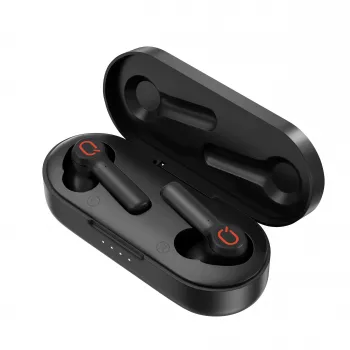
If you want something lightweight for quick errands, workouts, or situations where cable management is a hassle, our Wireless Earbuds TWS Bluetooth 5.3 – Low Latency, HiFi Sound, Waterproof can be a better fit. Many listeners keep both: wired IEMs for focused sessions and a true wireless set for convenience.
Product details and what to expect at checkout
Our Hybrid HiFi In-Ear Monitors with Detachable Cable & Multi-Plug Support are currently in stock at $344.51 USD. If you’re gifting, pairing IEMs with spare tips and a compact case is one of the easiest ways to improve day-to-day comfort and longevity—especially when you’re packing a detachable cable.
FAQ
What does multi-plug support mean for daily use?
It means you can use the same IEMs across common headphone outputs—typically 3.5 mm and, on compatible gear, balanced options—without buying entirely separate cables. Match the plug to your device’s output and lower your volume before swapping to avoid sudden jumps.
Are hybrid in-ear monitors good for vocals and acoustic music?
Yes—hybrid designs often help keep bass energy from masking midrange detail, which can make vocals and acoustic instruments easier to follow. Your fit/seal and the quality of the recording will still have a major impact on vocal clarity.
Do detachable cables affect sound quality?
With a secure, clean connection, sound should remain consistent. Problems usually come from a loose connector, debris on contacts, or a damaged cable—reseat the connectors firmly, clean gently, and test with another source if you hear crackle or channel dropouts.













Leave a comment