Heavy Duty Weed Barrier Fabric: Clean Beds, Strong Drainage
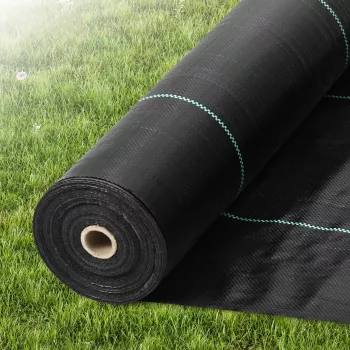
Heavy Duty Weed Barrier Landscape Fabric That Keeps Beds Clean, Drains Well, and Holds Up
A weed barrier only earns its place under mulch or stone when it does three jobs at once: block light to slow weeds, let water pass through to protect roots, and stay intact through seasons of foot traffic and shifting soil. Our team uses heavy duty landscape fabric where it genuinely reduces maintenance—then installs it in a way that keeps it from turning into a hidden mess later.
Where heavy duty landscape fabric makes the biggest difference
Heavy duty fabric shines when your top layer is rock or mulch and you want a cleaner separation layer that won’t shred the first time you rake, edge, or walk through.
- Gravel paths and decorative stone areas: Helps stop weeds from pushing up through rock while keeping the base more stable.
- Perimeter beds and foundation plantings: Reduces routine hand-weeding in tight spaces near siding, edging, and shrubs.
- Under decks, play areas, and utility zones: Creates a cleaner surface that’s easier to maintain over time.
- Raised beds (select use): Works best under pathways around beds; inside vegetable beds, compost/mulch layering is often the better long-term approach.
- Slopes (with anchoring): Can help reduce weed pressure, but needs secure pins and overlap to resist shifting.
| Project area | Landscape fabric use | Better alternative when needed |
|---|---|---|
| Gravel driveway edge / rock border | Excellent under rock; prevents mixing and limits weeds | None if drainage is needed (avoid plastic sheeting) |
| Mulched shrub bed | Good if mulch is maintained and fabric is pinned/overlapped | Cardboard + mulch for a compostable, soil-building approach |
| Vegetable garden rows | Works as a walkway barrier (not ideal under the entire bed) | Organic mulch + cultivation between rows |
| Around young trees | Use cautiously; keep fabric away from trunk flare and refresh mulch layer | Wood chip mulch ring (no fabric) for healthier soil biology |
What to look for in a heavy duty weed barrier (so it lasts)
If you want fewer do-overs, focus on performance traits that matter once the fabric is buried and you can’t easily replace it.
- Weed blocking: The barrier must limit light penetration; thin or loosely woven sheets tend to fail sooner, especially at seams.
- Water permeability: A true landscape fabric should allow water to pass through; non-permeable plastic can cause pooling and root stress.
- Tear and puncture resistance: Critical under rock and along edges where rakes, shovels, and foot traffic snag material.
- UV considerations: Any exposed fabric (even small strips at seams) breaks down faster; cover promptly with mulch or stone.
- Edge control: Great material still fails if borders lift—plan for overlap, pins, and edging where needed.
For deeper guidance on tradeoffs, these extension resources are helpful: University of Minnesota Extension on landscape fabric pros/cons and Penn State Extension on mulch and weed management.
Installation that stays put: prep, overlap, and anchoring
The fabric itself is only half the system. The other half is what you do before and after it goes down.
- Start with a clean base: Remove existing weeds (including runners and roots) and rake smooth so sharp clods don’t puncture the fabric.
- Grade for drainage: Fix low spots before laying fabric, especially under stone where standing water can create algae and shifting.
- Use generous overlap: Overlap seams so weeds can’t find light at the join; increase overlap on slopes and in high-traffic areas.
- Anchor correctly: Place landscape pins at edges, seams, and contour changes; add extra pins where fabric bridges dips or humps.
- Cut clean planting Xs: For shrubs/perennials, cut an “X,” fold flaps under, and keep openings as small as possible.
- Cover fully: Apply mulch or stone promptly; exposed fabric invites UV damage and can become a tripping hazard.
| Step | Goal | Common mistake to avoid |
|---|---|---|
| Weed removal + smoothing | No vegetation pushing from below; fewer punctures | Laying fabric over existing weeds |
| Layout + seam overlap | No gaps for light and weed growth | Butt seams with no overlap |
| Pinning | Stops shifting, lifting, and wind intrusion | Too few pins, especially at seams |
| Planting cuts | Access plants while keeping fabric closed | Large holes that become weed windows |
| Top cover | Protects fabric, improves appearance, reduces UV | Leaving fabric exposed for weeks |
Getting clean edges and fewer weeds over time
Common mistakes that shorten fabric life (and what to do instead)
Product picks from our store
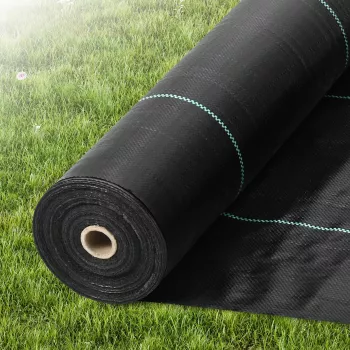
- Heavy Duty Weed Barrier Landscape Fabric — a practical choice for gravel, rock borders, and mulched beds that see regular cleanup.
- LED Flashlight Smart Watch with Bluetooth Calling & 100+ Sports Modes — handy when you’re working around the yard at dusk and want a light on your wrist.
- Elegant Women’s Large Leather Tote Bag with Chain Strap — a durable carry option for errands and everyday use after the yard work is done.
| Product | Price | Availability |
|---|---|---|
| Heavy Duty Weed Barrier Landscape Fabric | $141.17 | In stock |
FAQ
Should landscape fabric go under mulch or on top of mulch?
Place fabric on the soil surface and cover it with mulch. Mulch on top protects the fabric from UV exposure and keeps the bed looking clean, while fabric on top of mulch traps debris and becomes harder to maintain.
Can water and fertilizer still reach plants through heavy duty weed barrier fabric?
Yes—permeable landscape fabric is designed to let water through, and dissolved fertilizer can move with that water. Apply fertilizer as you normally would, then water it in, and avoid letting fine soil cake over the fabric surface.
How do weeds still grow with weed barrier installed?
Most weeds you see after installation sprout in the mulch or stone layer from windblown seeds and organic debris that breaks down into a thin soil layer on top. A refreshed top layer and quick pulling keeps those surface weeds from getting established.














Leave a comment