Waterproof Breathable Bike Saddle: Soft-Rebound Comfort
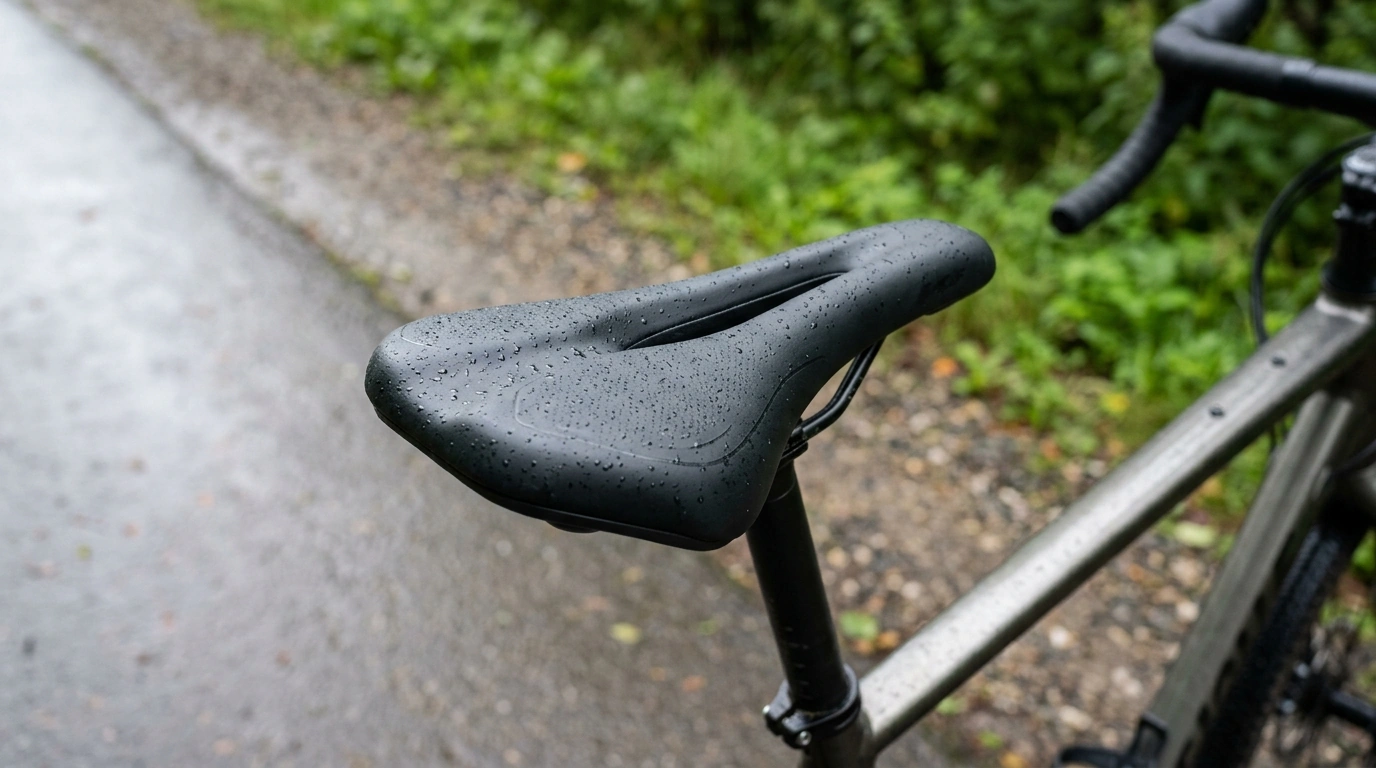
Breathable Soft-Rebound Waterproof Bike Saddle for MTB & Road Cycling
Comfort is the part of a ride that decides whether miles feel easy or endless. Our breathable, soft-rebound, waterproof bike saddle is built for everyday road spins, weekend gravel routes, and MTB sessions where weather, vibration, and long seated efforts all show up at once. The goal is simple: steady support, less pressure build-up, and a seat that stays reliable when conditions turn wet. For more guidance, see Bike Patrol Uniforms and Equipment: We’ve Come a Long ….
What this saddle is built to solve
- Reduce hot spots and pressure fatigue during steady seated pedaling
- Handle mixed conditions with a waterproof outer that’s easier to keep clean
- Smooth out trail and road chatter with soft-rebound cushioning that doesn’t feel “mushy” after a few minutes
- Support both MTB and road cycling positions where hip angle and weight distribution change
Breathability that matters on longer rides
When you’re seated for long stretches, heat and moisture management can make or break comfort. A breathable construction helps move heat away from contact points where friction builds quickly—especially on climbs, humid commutes, and summer training loops. With the right shorts, breathability can also cut down on that sticky, overheated feeling that tends to show up right when you’re trying to hold steady power. For further reading, see Trail Terms.
If you ride indoors, breathability becomes even more important: airflow is limited, sweat builds faster, and discomfort ramps up quickly. A saddle that manages heat better can help you stay consistent from warm-up to cooldown.
Soft-rebound cushioning for vibration control
Road buzz and trail chatter don’t just feel annoying—they can slowly drain your legs and make you shift around, which often creates more pressure points. Soft-rebound cushioning is designed to absorb bumps and then return to shape without turning into a sinking pillow. That “return” matters because it helps you keep a stable platform under your sit bones instead of constantly searching for a better spot.
- Helps take the edge off washboard paths, broken pavement, and rooty singletrack transitions
- Supports consistent seated pedaling mechanics by staying more stable under load
Waterproof finish for wet roads, puddles, and messy storage
Rain happens, puddles happen, and sometimes a bike gets parked where it shouldn’t. A waterproof outer surface helps prevent soak-through after splashes and wet-road spray, and it makes cleanup faster after gritty rides. Instead of moisture and dirt lingering in the surface, you can usually wipe it down and move on.
This is a practical upgrade if you commute in changeable weather, ride year-round, or store your bike where it may get damp. Less time dealing with moisture and stains means more time riding—and a saddle that stays feeling consistent day after day.
Fit and setup: small adjustments that change everything
A comfortable saddle still needs a good setup. Our team recommends taking a measured approach—small changes, then ride a few times before changing something else. One big swing often masks the real issue.
- Start with saddle height: too high can cause hip rocking; too low can overload knees and increase saddle pressure.
- Set it level first: then fine-tune tilt in small increments to reduce soft-tissue pressure.
- Dial fore-aft: it should support stable hands and relaxed shoulders—sliding too far forward often increases hand numbness.
- Give it a few rides: short test loops can reveal more than a single parking-lot adjustment.
For a deeper, well-respected reference on positioning, you can also review guidance from Sheldon Brown’s saddle position overview and broader fit fundamentals from the International Bike Fitting Institute.
When this saddle shines (MTB vs road vs commuting)
MTB
If you tend to stay seated through choppy sections or long fire-road climbs, the soft-rebound support helps reduce the sting of repeated impacts without feeling unstable. The waterproof outer is also a bonus when mud and spray are part of the route.
Road cycling
Commuting and everyday riding
Indoor training
Quick comparison: choosing the right saddle style for your rides
| Riding style | What riders usually need | What to prioritize | How this saddle helps |
|---|---|---|---|
| MTB (mixed terrain) | Vibration control and stable support | Soft-rebound feel, durability, easy cleaning | Cushioning to reduce trail chatter + waterproof wipe-down |
| Road (steady mileage) | Pressure management over longer seated efforts | Breathability, consistent firmness, dialed positioning | Breathable comfort + stable rebound for long stretches |
| Commuting (all weather) | Practicality and comfort in changing conditions | Water resistance, comfort for daily use | Waterproof surface + comfort for repeat rides |
| Fitness/indoor | Heat and sweat management | Breathability and reliable support | Breathable build helps reduce heat build-up |
Care and durability habits that keep comfort consistent
Pairing ideas for a smoother ride experience
- Breathable Soft-Rebound Waterproof Bike Saddle for MTB & Road Cycling
- Wireless Earbuds TWS Bluetooth 5.3 – Low Latency, HiFi Sound, Waterproof
- LED Flashlight Smart Watch with Bluetooth Calling & 100+ Sports Modes
FAQ
Is a waterproof bike saddle still comfortable in hot weather?
Yes—“waterproof” refers to the outer surface, while hot-weather comfort depends more on breathability, airflow, and your shorts. Wipe sweat when needed and keep the saddle close to level to avoid extra pressure that heat can make feel worse.
How do you set saddle tilt to reduce numbness?
Start with the saddle level, then adjust in very small increments after a few rides. Too far nose-down can make you slide and overload your hands, while nose-up often increases soft-tissue pressure; also re-check saddle height and fore-aft position.
Is this saddle better for MTB or road cycling?
It’s designed to work well for both: soft-rebound cushioning helps on rougher surfaces, while breathability and steady support matter on longer road rides. Your best results come from matching setup to your riding posture and typical seated time.














Leave a comment