32FT PVC Ventilation Duct Hose for 12-Inch Exhaust Fans
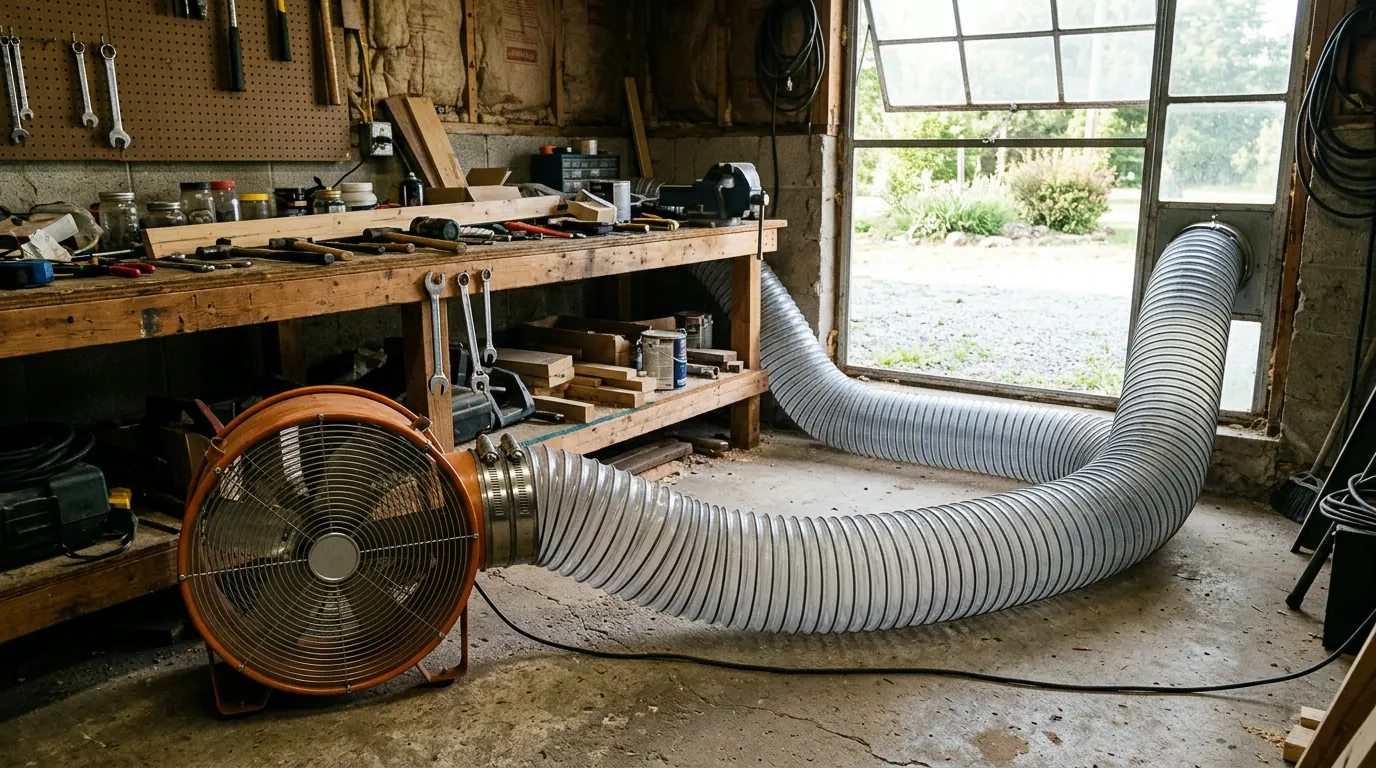
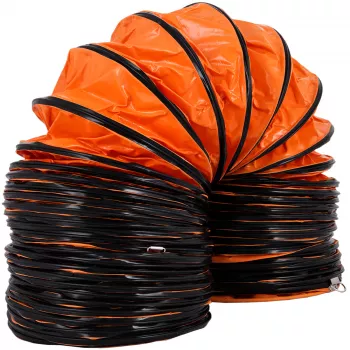
32FT Flexible PVC Ventilation Duct Hose for 12-Inch Exhaust Fans: Clean Airflow Where You Need It
When an exhaust fan is doing the heavy lifting, the duct is what makes the airflow go where it matters. Our team recommends using a dedicated duct run any time you’re trying to move fumes, heat, dust, or stale air out of a workspace instead of letting it swirl around the same area. A flexible hose also makes it easier to route air around equipment, through doorways, or toward a window without committing to permanent ductwork.
If you’re building a practical, mobile ventilation setup, our 32FT Flexible PVC Ventilation Duct Hose for 12-Inch Exhaust Fans is designed to pair with a 12-inch exhaust fan and give you the reach to discharge air where you want it.
What this duct hose is made to do
- Direct exhaust air from a 12-inch fan to a safer discharge point instead of letting it recirculate in the same space.
- Support temporary and mobile ventilation setups where rigid ducting is impractical (job sites, workshops, tents, pop-up work areas).
- Extend the reach of an exhaust fan so the fan can stay in an accessible spot while the outlet runs to a window, doorway, or vent opening.
- Help manage airflow paths in spaces with obstacles—flexibility allows routing around corners and equipment.
- Create a more controlled ventilation plan by reducing “short-circuiting” (where air immediately re-enters the intake area).
Fit and compatibility: sizing for a 12-inch exhaust fan
Diameter matching is the first make-or-break detail. This hose is intended for 12-inch exhaust fan connections, so you’ll want a fan outlet (or collar) that’s truly 12 inches. From there, focus on the connection method: many setups rely on clamps, couplers, or adapters to get a snug fit at the fan end and at the discharge end.
Also keep airflow resistance in mind. Longer runs, extra bends, and sections that get pinched down can reduce performance. Using only the length you need and keeping routing smooth typically helps your fan do its job without unnecessary strain.
Quick planning checklist for a duct run
| Planning item | What to confirm | Why it matters |
|---|---|---|
| Diameter match | Fan outlet is 12-inch | Prevents leaks and poor fit at the connection |
| Route length | Measure the actual path, not straight-line distance | Avoids unnecessary duct that can restrict airflow |
| Bend count | Minimize tight bends and kinks | Keeps airflow stronger and reduces strain on the fan |
| Discharge point | Window/door/vent opening is clear and safe | Reduces recirculation and improves air quality |
| Attachment method | Have clamps/couplers ready | Secures the run and helps prevent leaks |
Where this flexible PVC duct hose fits best
- Workshops and garages: Route fumes or heat away from the immediate work area while keeping the fan positioned for convenient access.
- Basements and utility areas: Push stale air out through a chosen exit point without permanent duct installation.
- Renovation and cleanup: Support ventilation for dust management and odor control as part of a broader containment plan.
- Grow tents and indoor setups: Guide exhaust to a window or vent opening to keep temperatures and air exchange more consistent.
- Temporary events or enclosures: Quickly establish an exhaust path when the space changes frequently.
Installation approach that keeps airflow strong
Flexible duct is forgiving, but airflow performance depends on how you route it. If you want the most out of your 12-inch fan, treat the duct path like a “no-drama highway” for air: short, smooth, and open.
- Start with the cleanest route: Choose the shortest practical path with the fewest sharp turns.
- Avoid crushing or kinking: Flexible duct works best when it stays open and round; compressing sections can significantly reduce airflow.
- Seal and secure connections: A snug fit plus clamps helps prevent air leaks that waste fan output and can pull contaminants back into the space.
- Support long spans: If the duct is suspended, use supports to prevent sagging that can create low spots and turbulence.
- Place discharge thoughtfully: Exhaust air should exit away from doors, intakes, and occupied zones to reduce re-entry.
For general ventilation and indoor air quality practices, you can also reference the EPA’s guidance on indoor air quality at epa.gov and OSHA’s ventilation topic page at osha.gov.
Care, storage, and reuse
Pairing tips: getting the most from a 12-inch exhaust fan + duct
If you’re setting up a work area, you may already have other everyday gear on your list. While they’re not part of ventilation, our team also keeps these in stock for convenience: LED Flashlight Smart Watch with Bluetooth Calling & 100+ Sports Modes, Wireless Earbuds TWS Bluetooth 5.3 – Low Latency, HiFi Sound, Waterproof, and Elegant Women’s Large Leather Tote Bag with Chain Strap.
FAQ
Will this 32FT duct hose fit a 12-inch exhaust fan?
It’s designed for 12-inch exhaust fan connections, so you’ll want to confirm your fan’s outlet is 12-inch and then secure the connection with a suitable clamp or coupler. A snug, sealed connection helps prevent leaks and airflow loss.
Does a longer duct run reduce airflow?
Yes. Longer runs, tight bends, and compressed sections add resistance, which can reduce the effective airflow at the discharge point. Using the shortest practical route with gentle bends helps maintain performance.
Can this duct be used for temporary ventilation setups?
Yes. Flexible ducting is commonly used for temporary routing in changing spaces, as long as you secure connections, support long spans to prevent sagging, and choose a safe discharge location to reduce recirculation.














Leave a comment