22-Pocket Tool Belt Pouch for Faster On-Body Carry
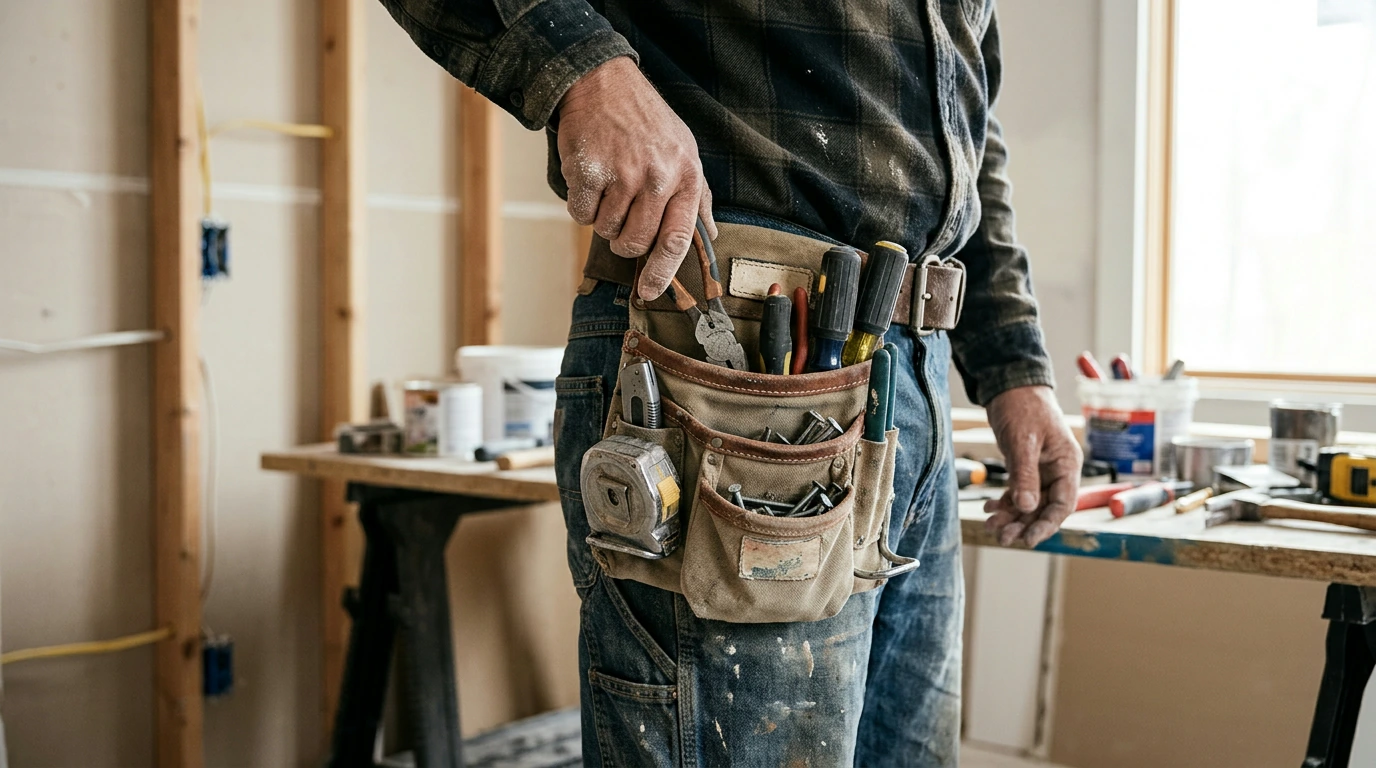
Adjustable 22-Pocket Tool Waist Belt Pouch: a faster carry system for hands-on work
Small delays add up on a jobsite—walking back to the box, digging through a bucket, or swapping tools between pockets. When your most-used hand tools, bits, fasteners, and testers live in consistent spots on your waist, the next step is always within reach. Our team built this approach around real movement: rough-in, trim, service calls, punch lists, and weekend projects—anywhere staying organized is the difference between steady progress and constant resets.
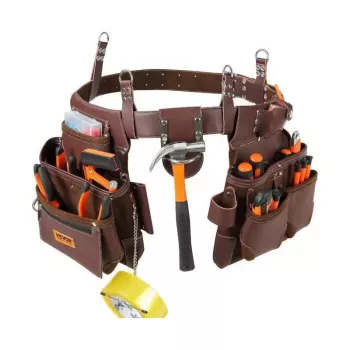
If you want a compact “active tools” setup, our Adjustable 22-Pocket Tool Waist Belt Pouch for Electrician, Carpenter & Handyman is designed to keep your routine tight: grab, use, return—without thinking.
What this tool waist belt pouch is made to solve
A waist pouch earns its spot when it reduces friction during repeat tasks. Here’s what a 22-pocket layout helps you eliminate during the workday:
- Cuts down trips back to the cart or toolbox by keeping common tools and supplies on-body.
- Reduces pocket-stuffing by separating sharp, bulky, and delicate items into dedicated pockets.
- Keeps fasteners accessible without opening cases—screws, anchors, wire nuts, nails, and small hardware.
- Supports “repeat tasks” workflows: measure → mark → cut/drill → fasten, with tools staged where your hands naturally go.
- Helps keep work areas cleaner by giving every small item a place during active use.
For general hand-tool safety and good work habits, OSHA’s guidance is a solid baseline: OSHA — Hand Tools (General Requirements).
Pocket layout that matches real jobsite carry
With 22 pockets, the biggest win is separation. Instead of stacking tools in one compartment (and fishing for the right handle), you can dedicate pockets by category—cutting, fastening, testing, marking, and consumables—so your hands learn the layout.
- Front-access pockets for quick-grab items like a tape measure, utility knife, pencil/marker, bit holder, and electrical tape.
- Deeper pockets for bulkier tools (pliers, adjustable wrench, nail puller, driver handles) so handles stay upright and easy to grab.
- Small pockets for consumables: wire connectors, screws, nails, anchors, zip ties—less rummaging and fewer drops.
- Balanced carry: split frequently used items left/right to avoid a single heavy side and improve comfort over long tasks.
Quick pocket plan by trade
| Trade | Loadout idea (examples) | Pocket tips for speed |
|---|---|---|
| Electrician | Linesman pliers, wire strippers, tester, tape, markers, electrical tape, wire nuts, screws/anchors | Reserve 1 small pocket for connectors only; keep tester in the same spot every day |
| Carpenter | Tape measure, speed square, pencil, utility knife, nail set, bits, small fasteners, chisel/driver handle | Use one deep pocket for a primary driver; keep fasteners in a dedicated front pocket |
| Handyman | Multi-bit driver, tape, level pen, knife, pliers, small hardware (assortment), zip ties | Group “finish” items (touch-up, anchors, screws) separate from cutting tools |
Adjustable waist fit and comfortable all-day use
Waist carry stays stable because it’s close to your center of gravity—often more controlled than walking room-to-room with a tote. An adjustable belt also helps you keep the fit consistent whether you’re in a t-shirt or layered up for colder sites.
- Better movement through doorways, ladders, and tight spaces compared with larger boxes.
- Simple on/off routine: hang it up between tasks, then strap back in without reloading a full kit each time.
- Comfort improves when you load intentionally: heavy tools near the hips, lighter consumables toward the front.
One practical mindset that translates well to tool carry is reducing “exposure” to hassle and rework by changing the system—not just working harder. If you like the framework, NIOSH’s overview is useful: NIOSH — Hierarchy of Controls.
How to set it up for fewer drops and faster reach
The pouch works best when it becomes predictable. A few setup habits can make a 22-pocket system feel effortless instead of “too much.”
When a 22-pocket belt pouch is the right choice (and when it isn’t)
A practical jobsite kit pairing
- For quick calls, timers, and light on the move, our LED Flashlight Smart Watch with Bluetooth Calling & 100+ Sports Modes can keep basic communication and utility functions on your wrist.
- For noisy environments or hands-busy moments, our Wireless Earbuds TWS Bluetooth 5.3 – Low Latency, HiFi Sound, Waterproof can help you stay reachable without stopping to handle your phone.
- Keep the pouch focused on active-use tools plus small consumables—avoid turning it into a heavy storage rig.
FAQ
How should the pouch be loaded so it stays comfortable?
Place heavier tools near your hips, split weight left/right, and keep bulky items out of the front pockets so they don’t jab when you bend. Aim to carry only active-use tools plus small consumables, not full backups.
Will 22 pockets be too much for a simple daily carry?
Extra pockets mainly prevent stacking, so you can still run a minimal setup and leave unused pockets empty. Start small, then assign fixed “home pockets” to your top tools so your hands find them automatically.
What’s the best way to organize fasteners and small parts in a waist pouch?
Dedicate separate small pockets by item type—screws, anchors, connectors—so you don’t mix hardware and spill when grabbing one piece. A quick end-of-day reset and restock keeps the system fast the next morning.














Leave a comment