2–3 Person Low-EMF Far Infrared Sauna: Glass + App
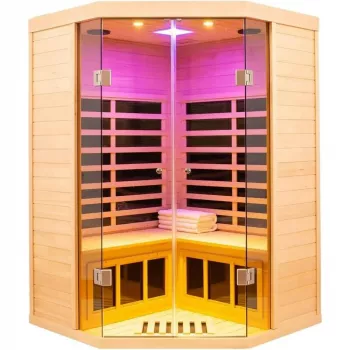
2–3 Person Low EMF FAR Infrared Sauna with Tempered Glass and App Control
A shared sauna setup can turn a spare room or home gym into a reliable reset zone—without needing extreme heat or a complicated routine. The 2-3 Person Low EMF FAR Infrared Sauna with Tempered Glass and App Control is built for comfortable indoor sessions with far infrared heaters, a low-EMF-minded electrical layout, a tempered glass door for a more open feel, and app-based adjustments to keep sessions simple. Below is what those features typically mean in day-to-day use, what to confirm before installing at home, and how to decide if the size fits the way you’ll actually use it.
Quick Overview
- Room to spread out: A 2–3 person cabin generally suits solo stretching or a relaxed two-person sit; three can work depending on body size and how often you plan to share.
- Far infrared comfort: Designed for a gentle, penetrating warmth with a typically lower air temperature than traditional hot-rock saunas.
- Low-EMF focus: Intended to reduce exposure compared with higher-EMF layouts, but measurements depend heavily on method and distance.
- Tempered glass door: Adds visibility and a less “boxed-in” feeling while supporting safety expectations for breakage resistance.
- App control: Convenient for adjusting timer and temperature without stepping out mid-session.
What “Far Infrared” Feels Like in Daily Use
Far infrared saunas are often described as feeling warm “on you” rather than simply hot “around you.” Many users prefer this because the room may feel milder while still supporting a solid sweat, especially once the body settles into the heat.
- Typical session length: Many people land in the 20–45 minute range depending on comfort, hydration, and the temperature setting.
- Warm-up habits: Preheating helps create consistent sessions—especially if the sauna is in a cooler basement or garage-adjacent room.
- Comfort pacing: Starting at a lower temperature and increasing gradually tends to feel better than “max heat” from minute one.
For general background on sauna use and health considerations, the National Center for Complementary and Integrative Health offers a balanced overview: NCCIH — Sauna and Health.
Low EMF Design: What to Verify Before Buying
“Low EMF” is not a single universal standard. EMF readings vary based on the meter used, the frequencies measured, and—most importantly—how far the meter is from the heaters, wiring, and control electronics. If EMF sensitivity is a priority, the goal is clarity: you want test details that match where your body will actually be during a session.
Low-EMF Buying Checklist
| What to check | Why it matters | What to ask for |
|---|---|---|
| Measurement distance | EMF drops with distance; measurements need context | “At what distance from the heater/control were readings taken?” |
| Inside vs. outside readings | Readings outside can understate what a seated user experiences | “Do you have readings taken at seated head/torso level inside the cabin?” |
| Wiring paths | Cable routing near benches can raise exposure near the body | “How is wiring routed relative to seating and backrests?” |
| Control panel placement | Electronics near the bench can affect exposure levels | “Where is the control module located—inside, outside, or roof-mounted?” |
| Power requirements | Improper circuits can cause performance issues and safety risks | “What voltage/amperage is required, and is a dedicated circuit recommended?” |
If you’re particularly cautious, it can be worth checking the sauna after setup using an independent meter at bench level (where your torso and head will be). That approach can be more meaningful than any single marketing number.
Tempered Glass: Safety, Comfort, and Privacy
App Control: What to Look For
Space, Setup, and Placement at Home
Comfort and Session Routine Tips
- Hydrate on purpose: Drink water before and after. If you sweat heavily, consider electrolytes and pay attention to lightheadedness. The CDC’s hydration guidance is a helpful baseline: CDC — Preventing Dehydration.
- Ramp up gradually: Shorter sessions at a moderate temperature help you learn what feels good without pushing too hard.
- Use towels strategically: One on the bench and one on the floor keeps the cabin fresher and makes cleanup easier.
- Cool down slowly: Step out, sit for a minute, and let your heart rate settle before a shower.
- Medical considerations: If pregnant, managing cardiovascular conditions, or using medications that affect blood pressure or sweating, check with a clinician before making sauna sessions routine.
Is This the Right Size?
Recommended In-Stock Picks
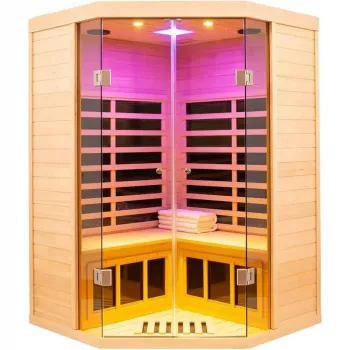
- 2-3 Person Low EMF FAR Infrared Sauna with Tempered Glass and App Control
- LED Flashlight Smart Watch with Bluetooth Calling & 100+ Sports Modes (useful for timing sessions and keeping an eye on recovery metrics)
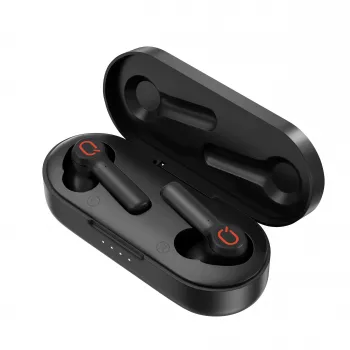
- Wireless Earbuds TWS Bluetooth 5.3 – Low Latency, HiFi Sound, Waterproof (handy if you prefer guided breathing, calm playlists, or podcasts during sessions)
FAQ
What does “low EMF” mean for an infrared sauna?
It typically means the sauna’s electrical layout is designed to reduce EMF exposure compared with higher-EMF designs, but the actual level depends on how and where it’s measured. Ask for test details (meter type, frequency range, and distance), and consider verifying at bench level after installation if you’re sensitive.
Does app control still work if the phone isn’t nearby or the app fails?
It depends on whether the sauna uses Bluetooth or Wi‑Fi and whether it has full onboard controls. A practical choice is a model that remains fully operable from its built-in panel even if the app disconnects or updates.
How many people can comfortably use a 2–3 person sauna?
Two adults typically fit comfortably for regular use, while three can be a tighter fit depending on shoulder width and bench depth. For three-person sessions, comfort is often best with smaller users or shorter, lower-heat sessions.












Leave a comment